
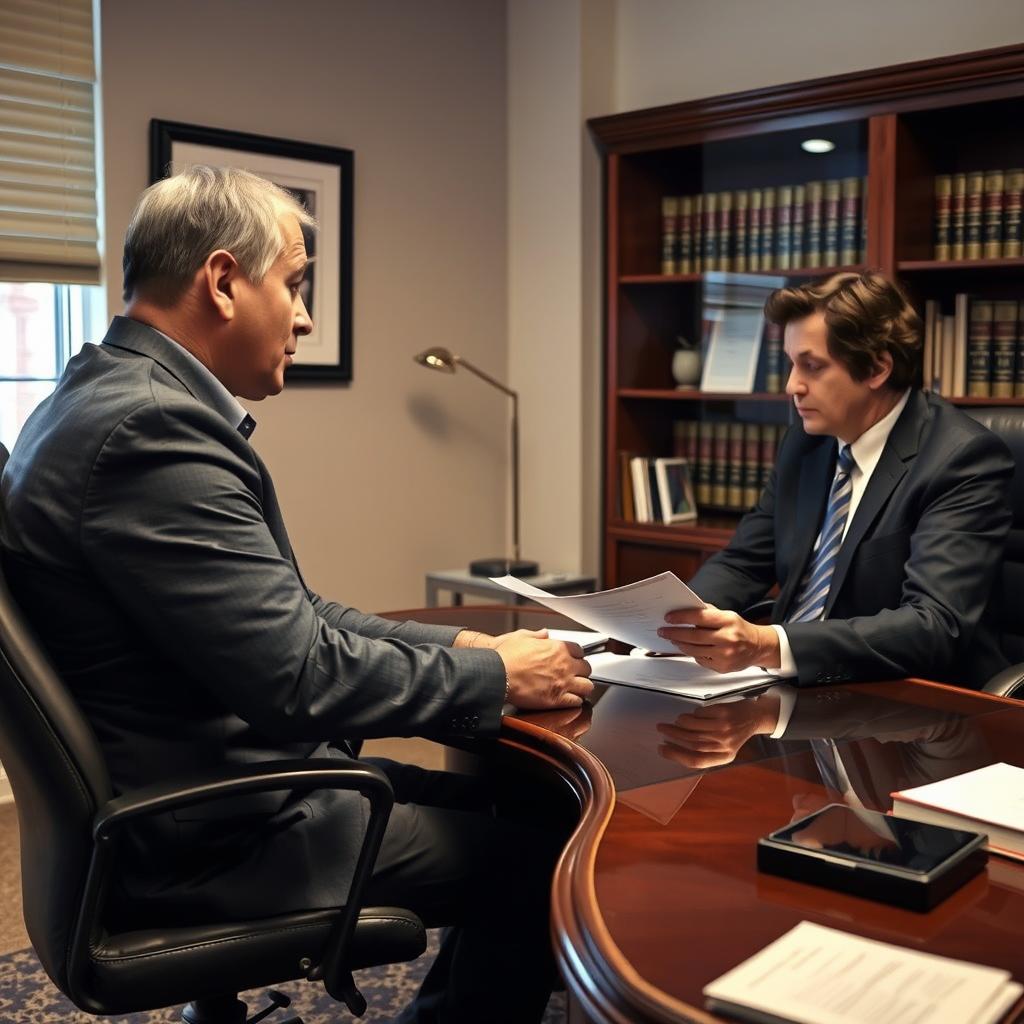
Third Degree Assault Lawyer Adams Morgan, DC
It was a late Saturday evening in Adams Morgan. You were out with friends at a favorite spot on 18th Street when a disagreement turned loud. Voices were raised, maybe a shove, and before you knew it, D.C. Metropolitan Police officers intervened. Now you are holding a citation charging third‑degree assault and wondering what this means for your record, your job, and your future. Law Offices Of SRIS, P.C. Concentrates its practice on criminal defense in the District of Columbia, and Mr. Sris and his Of Counsel team appear regularly in D.C. Superior Court on behalf of individuals facing assault allegations. We understand how an evening in Adams Morgan can spiral into a criminal matter, and we work toward a resolution that protects your interests. To discuss your situation, reach us at (888) 437‑7747. Law Offices Of SRIS, P.C. – Advocacy Without Borders.
Understanding Third‑Degree Assault Charges in Adams Morgan
In the District of Columbia, an assault charge does not require physical injury. A person can be charged with simple assault—often called third‑degree assault—based on an act that places another in reasonable fear of immediate bodily harm. The U.S. Attorney’s Office for the District of Columbia prosecutes these cases, and all local criminal matters are heard at D.C. Superior Court, 500 Indiana Avenue NW. Adams Morgan falls within the Metropolitan Police Department’s service area, and many incidents originate from the neighborhood’s dense restaurant and nightlife corridor. Because D.C. Uses the federal Pretrial Services Agency rather than cash bail, a person arrested for third‑degree assault may be released with conditions pending trial. Understanding this unique pretrial process is critical to avoiding unintended violations that can complicate a case.
While third‑degree assault is a misdemeanor, a conviction can carry up to 180 days in jail and a fine of up to $1,000, as well as a lasting criminal record. The actual outcome depends heavily on the facts, the defendant’s history, and the approach taken by defense counsel. Mr. Sris and his Of Counsel evaluate each case individually, examining witness statements, video evidence, and any procedural issues that may affect the prosecution’s case. If you are facing an assault charge after an incident in Adams Morgan, acting promptly to obtain experienced representation can make a meaningful difference. For a full statutory breakdown, see our comprehensive analysis.
About Mr. Sris and His Of Counsel Team
Mr. Sris, Owner and Founder of Law Offices Of SRIS, P.C., founded the firm in 1997. He is a former prosecutor who brings an insider’s perspective to criminal defense. Licensed in Virginia, Maryland, the District of Columbia, New Jersey, and New York, he has represented clients in D.C. Superior Court and across the region for more than twenty‑eight years. Mr. Sris keeps a limited personal caseload, working collaboratively with his Of Counsel—every attorney at the firm has over a decade of practical experience. Together, they bring over 120 years of combined legal experience to assault and other criminal matters, and the firm has achieved 4,739+ documented firm-wide results. Results may vary.
Frequently Asked Questions About Third‑Degree Assault in D.C.
What is third‑degree assault in Washington, D.C.?
Third‑degree assault, also called simple assault, is an act that intentionally places another person in reasonable fear of immediate bodily harm, or an attempt to cause physical injury, even if no contact occurs. Under D.C. Law, the offense is a misdemeanor prosecuted by the U.S. Attorney’s Office for D.C. A person facing this charge is typically required to appear at D.C. Superior Court. Because the definition is broad, many confrontations—even those with minimal contact—can result in an arrest. Mr. Sris and his Of Counsel examine the circumstances to determine whether the prosecution can prove its case beyond a reasonable doubt.
Who prosecutes third‑degree assault cases in D.C.?
The United States Attorney’s Office for the District of Columbia prosecutes all local criminal cases, including third‑degree assault, because D.C. Is a federal territory. The Assistant U.S. Attorney assigned to your case will present evidence gathered by the Metropolitan Police Department. Having defense counsel who understands the federal‑style prosecution approach can be valuable when evaluating plea offers, pre‑trial motions, and trial strategy.
What are the potential penalties for a third‑degree assault conviction in D.C.?
A third‑degree assault conviction can result in a jail sentence of up to 180 days and a fine of up to $1,000. In addition to court‑imposed penalties, a conviction creates a criminal record that may affect employment, housing, and professional licensing. However, many assault cases are resolved without a conviction after trial, or through negotiated outcomes that minimize collateral consequences. The specific outcome depends on the evidence and the decisions made at each stage of the proceeding.
Does D.C. Use cash bail for assault charges?
No, the District of Columbia does not use traditional cash bail. Instead, the Pretrial Services Agency, a federal agency, assesses each defendant and recommends release conditions to the court. Most individuals charged with third‑degree assault are released without posting money, but the court may impose conditions such as stay‑away orders or regular check‑ins. Violating those conditions can lead to additional charges and pretrial detention, so it is important to understand exactly what is expected.
What should I do immediately after being charged with assault in Adams Morgan?
Contact an experienced criminal defense attorney right away, and avoid discussing the incident with anyone except your lawyer. Do not post about it on social media. Preserve any evidence that may support your account, including text messages, photos, or witness contact information. Your attorney can advise you on how to handle an initial appearance and can begin gathering information that may help the prosecution or the court see the full context of the situation.
Will I have to go to court if I am charged with third‑degree assault?
Yes, you will be required to appear at D.C. Superior Court for arraignment and subsequent hearings unless your attorney arranges otherwise with the court. Missing a court date can lead to a bench warrant and additional charges. Mr. Sris and his Of Counsel appear at D.C. Superior Court regularly and can help you understand what to expect at each stage, from the initial presentment through any trial date.
Can a third‑degree assault charge be dropped or dismissed?
A charge may be dismissed if the prosecution cannot meet its burden of proof, if evidence shows the accusation was unfounded, or if procedural issues undermine the case. The U.S. Attorney’s Office may also agree to divert the case or reduce the charge where circumstances warrant. Defense counsel can present mitigating evidence and legal arguments that sometimes persuade the prosecution to reassess the case before trial.
How does a lawyer challenge a third‑degree assault charge in D.C.?
Experienced defense counsel may challenge the charge by scrutinizing the credibility of witnesses, the completeness of police reports, any video recordings, and whether the elements of the offense have been adequately alleged. Sometimes, surveillance footage from Adams Morgan businesses or testimony from bystanders contradicts the official account. Procedural issues, such as identification flaws or improper police conduct, can also provide grounds for suppression or dismissal. Each case is unique, and Mr. Sris and his Of Counsel tailor their approach to the specific facts.
Do I need a lawyer for a misdemeanor assault charge in D.C.?
While you have the right to represent yourself, an assault conviction can create a permanent criminal record that affects employment, security clearances, and immigration status. The D.C. Criminal justice system has unique characteristics—federal prosecutors, a federal pretrial services agency, and no cash bail. Having a lawyer who is familiar with these procedures helps ensure your rights are protected and that you do not inadvertently make decisions that worsen your situation.
Why choose Law Offices Of SRIS, P.C. for an assault case in Adams Morgan?
Mr. Sris is a former prosecutor who has practiced criminal defense in D.C. Superior Court since 1997, and his Of Counsel bring over a decade of experience each to every matter. The firm appears regularly in D.C. Courts and serves clients from the Arlington Location, just minutes from Adams Morgan. Our team understands the way the U.S. Attorney’s Office approaches assault cases and works to achieve favorable outcomes under the circumstances. To discuss your case, call (888) 437‑7747.
What is the process for hiring a third‑degree assault lawyer?
You can begin by calling (888) 437‑7747 to request a consultation. During the consultation, you will have the opportunity to explain what happened, and the firm can assess how it may assist. If you decide to move forward, an engagement agreement will be prepared. From that point, your attorney will appear in court on your behalf, investigate the facts, and guide you through each step of the proceeding.
How long does an assault case take in D.C.?
Each case follows its own timeline depending on whether a plea is entered, motions are filed, or the matter proceeds to trial. A misdemeanor case that resolves early can conclude within a few months, while a contested trial may extend the matter much longer. D.C. Superior Court manages its own calendar, and your attorney can provide a clearer picture once more is known about the facts and the prosecution’s position.
For guidance on your specific situation, reach Law Offices Of SRIS, P.C. at (888) 437‑7747.
Additional information on D.C. Criminal law is available from official sources: D.C. Code Title 22 · D.C. Superior Court · U.S. Attorney’s Office for D.C.
Related resources: Criminal Defense Lawyer Washington, D.C. · Georgetown Criminal Lawyer · Dupont Circle Criminal Lawyer · Columbia Heights Criminal Lawyer
Attorney advertising. Prior results do not guarantee a similar outcome. Results may vary.
Case results depend on a variety of factors unique to each case.