
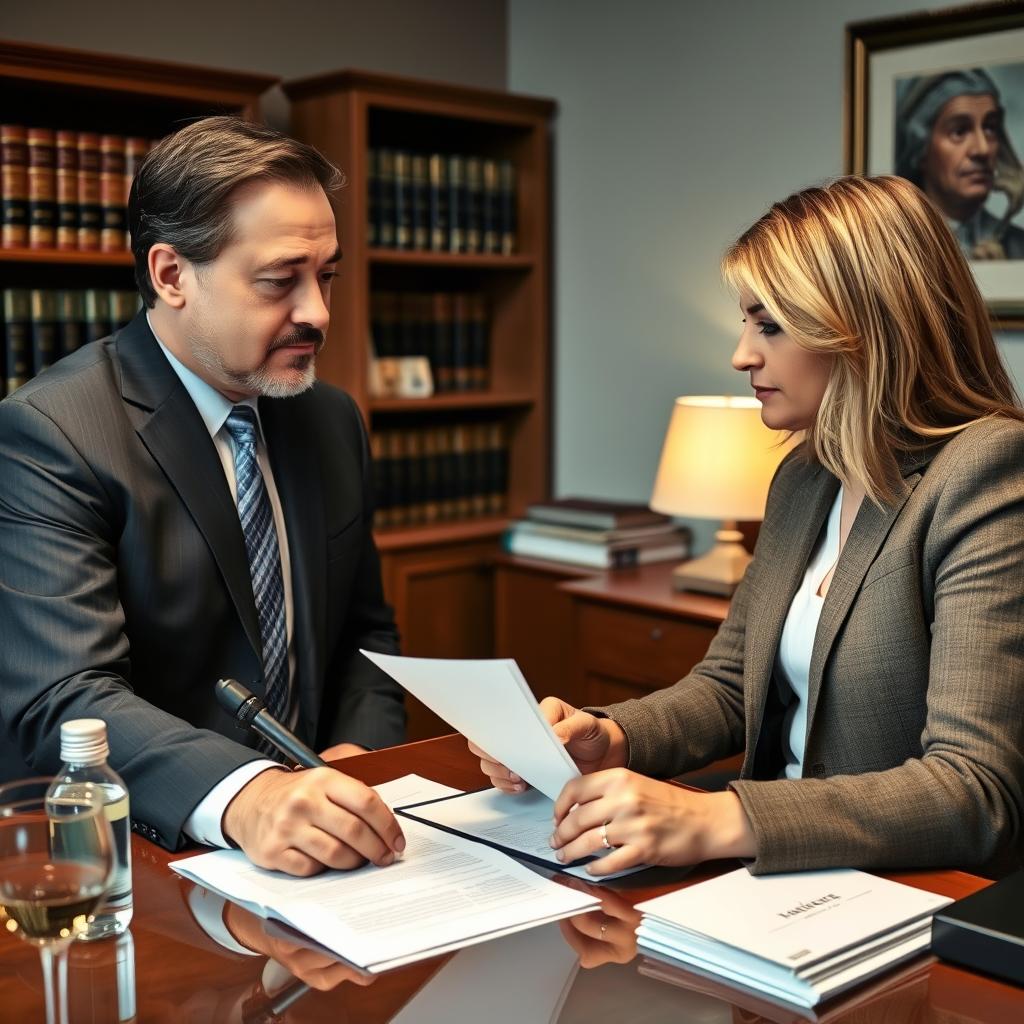
Public Intoxication Lawyer Chesapeake, VA
Facing a public intoxication charge in Chesapeake, Virginia, can be an unsettling experience. The charge is a Class 4 misdemeanor under Va. Code § 18.2‑388, carrying a potential fine of up to $250. While there is no jail time for this offense, a conviction results in a criminal record that can affect employment, housing, and professional licenses. Chesapeake General District Court, located at 307 Albemarle Drive, handles these misdemeanor cases. Police officers often make arrests based on observations of behavior in a public place, and the Commonwealth’s Attorney prosecutes the charge. Mr. Sris and the firm’s Of Counsel attorneys represent individuals charged with public intoxication in Chesapeake, working to protect their rights and pursue a favorable resolution. To discuss your situation, contact the firm at (888) 437‑7747. Law Offices Of SRIS, P.C. – Advocacy Without Borders.
What a Public Intoxication Charge Means in Chesapeake, Virginia
Under Virginia law, a person is guilty of public intoxication if they are intoxicated in a public place, whether from alcohol, a narcotic drug, or another intoxicant. The offense is a Class 4 misdemeanor—the lowest criminal classification—and is punishable only by a fine of up to $250. Despite the lack of jail time, a conviction leaves a permanent criminal record. The charge is often brought alongside other offenses, such as disorderly conduct or profane swearing, which can carry more serious penalties.
In Chesapeake, public intoxication cases are heard in the Chesapeake General District Court. This court is part of the First Judicial District and serves the communities of Chesapeake, Deep Creek, Great Bridge, and Greenbrier. The court’s address is 307 Albemarle Drive, Chesapeake, VA 23322. Cases are prosecuted by the Commonwealth’s Attorney for Chesapeake. Because the charge is a misdemeanor, defendants do not have an automatic right to a jury trial in General District Court; however, a conviction can be appealed to the Chesapeake Circuit Court for a trial de novo. An experienced attorney can evaluate the evidence, challenge the prosecution’s case, and seek alternatives such as a dismissal or an amendment to a lesser charge.
How Mr. Sris and the Firm’s Of Counsel Attorneys Handle Public Intoxication Cases
When the firm receives a public intoxication matter, Mr. Sris and the firm’s Of Counsel attorneys begin by reviewing the police report, witness statements, and any available video. They assess whether the officer had probable cause to make the arrest and whether the evidence supports the charge. In many instances, the prosecution’s case can be weakened if the officer’s observations do not clearly establish intoxication in a public place. The firm’s Of Counsel attorneys, who include former law enforcement professionals, bring a practical understanding of police procedures to this review.
After the initial assessment, the firm works to negotiate with the prosecutor. Possible outcomes include a dismissal, an agreement to amend the charge, or a resolution that avoids a conviction. If a trial is necessary, the firm presents a thorough defense, cross-examining the arresting officer and highlighting any gaps in the evidence. Because public intoxication carries no mandatory jail term, the focus is on protecting the client’s record and limiting the long-term consequences. Mr. Sris and the firm’s Of Counsel attorneys have documented favorable results in Chesapeake criminal cases. Results may vary.
About Mr. Sris and the Firm’s Of Counsel Attorneys
Mr. Sris, Owner and Founder of Law Offices Of SRIS, P.C., is a former prosecutor who founded the firm in 1997. He is admitted to practice in Virginia, Maryland, the District of Columbia, New Jersey, and New York. Mr. Sris testified before the Virginia House Courts of Justice Committee in support of 2019 HB 635 (chief patron Del. David Bulova). His prosecutorial background provides a unique perspective when building a defense strategy for clients charged with criminal offenses, including public intoxication.
The firm’s Of Counsel attorneys bring extensive combined legal experience in criminal defense. Their backgrounds include former law enforcement and prosecutorial experience, which strengthens the firm’s ability to challenge the state’s evidence and negotiate effectively. All Of Counsel attorneys contract directly with Law Offices Of SRIS, P.C., and work collaboratively with Mr. Sris to represent clients in Chesapeake courts. To schedule a consultation, call (888) 437‑7747.
Frequently Asked Questions
What is the penalty for public intoxication in Chesapeake, Virginia?
Public intoxication is a Class 4 misdemeanor under Va. Code § 18.2‑388, punishable by a fine of up to $250 and no jail time. While the penalty is relatively minor, a conviction results in a permanent criminal record that can appear on background checks. The charge is heard in Chesapeake General District Court. An experienced attorney can seek to have the charge dismissed or amended to avoid a conviction altogether.
How does a lawyer defend against a public intoxication charge?
A defense lawyer examines whether the officer had sufficient evidence to establish intoxication in a public place and may challenge the legality of the arrest. Common defenses include arguing that the person was not intoxicated, was not in a public place, or that the officer’s observations were unreliable. Attorneys also negotiate with the prosecutor to reduce or dismiss the charge, often by presenting mitigating circumstances or procedural weaknesses in the case.
Can a public intoxication conviction be expunged in Virginia?
In Virginia, expungement is generally limited to charges that are dismissed, nolle prosequi, or where the defendant is acquitted. Under Va. Code § 19.2‑392.2, a conviction cannot be expunged, so avoiding a conviction is critical. If the public intoxication charge is dismissed or otherwise resolved without a conviction, the defendant may petition the Chesapeake Circuit Court to expunge the arrest record. An attorney can advise on whether expungement is available based on the outcome.
Do I need a lawyer for a public intoxication charge in Chesapeake?
You are not required to have a lawyer, but legal representation can help protect your record and avoid a conviction. Even a fine-only misdemeanor can create barriers to employment, professional licensing, and housing. An attorney understands the local Chesapeake court procedures, the tendencies of the prosecutor, and the defenses that may apply. For a consultation, reach Mr. Sris and the firm’s Of Counsel attorneys at (888) 437‑7747.
What should I do if I am arrested for public intoxication in Chesapeake?
If arrested, remain calm, ask for an attorney, and avoid making statements about the incident until you have spoken with a lawyer. You should note the details of the arrest, including the location and any witnesses, and contact a criminal defense attorney promptly. Early involvement by counsel can help negotiate with the prosecutor before the first court date and potentially resolve the case without a conviction.
How does the court process work for a public intoxication charge in Chesapeake?
The case begins with an arraignment at the Chesapeake General District Court, where you are informed of the charge and your rights. After arraignment, the court schedules a trial date. Your attorney may file pretrial motions and negotiate with the prosecutor. If no agreement is reached, the case proceeds to trial, where the prosecutor must prove the charge beyond a reasonable doubt. If convicted, you have the right to appeal to the Chesapeake Circuit Court.
For more information about criminal defense in nearby communities, see our pages on Fairfax County criminal defense lawyer, Prince William County criminal defense lawyer, and Manassas criminal defense lawyer.
Virginia Primary Sources: Va. Code § 18.2‑388 (Public Intoxication) | Chesapeake General District Court | Virginia Judicial System
Attorney advertising. Prior results do not guarantee a similar outcome. Results may vary.
Case results depend on a variety of factors unique to each case.