
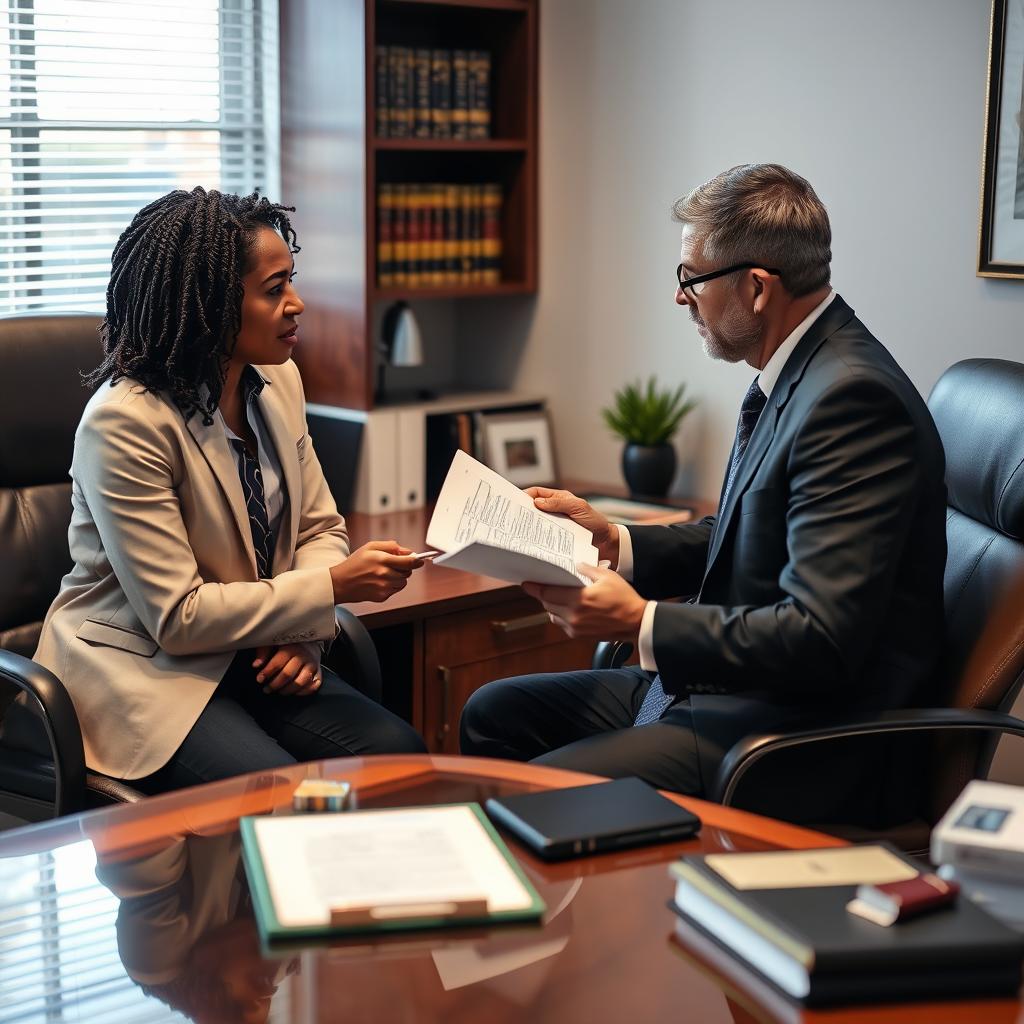
Property Damage Lawyer Anacostia, DC
If you are facing a property damage charge in Anacostia or anywhere in Southeast Washington, D.C., the next steps matter. Property damage accusations, whether they involve graffiti, vandalism, or the destruction of someone else’s belongings, can lead to arrests by the Metropolitan Police Department and prosecution by the United States Attorney’s Office for the District of Columbia. Charges are heard at the D.C. Superior Court at 500 Indiana Avenue NW, and a conviction can carry jail time, a restitution order, and a criminal record that complicates employment, housing, and professional licensing. Mr. Sris and his Of Counsel team bring over 120 years of combined legal experience to the defense of Anacostia residents. Results may vary. Call Law Offices Of SRIS, P.C. at (888) 437-7747 to request a consultation. Law Offices Of SRIS, P.C. – Advocacy Without Borders.
What Property Damage Means in Anacostia, DC
Anacostia lies east of the Anacostia River, a historic neighborhood with a mix of residential blocks, small businesses, and community spaces. When someone stands accused of property damage in this part of the District, the offense is handled through the Criminal Division of the D.C. Superior Court. Investigations are led by MPD officers from the Seventh District; charging decisions are made by federal prosecutors because the District of Columbia is a federal territory that prosecutes local crimes under the D.C. Code. Property damage generally falls within the offenses defined in Title 22 of the D.C. Code, which covers malicious destruction, injury to real or personal property, and related acts. The severity of a charge often turns on the dollar value of the damage and whether the act was alleged to be intentional.
A conviction for property damage in the District can result in a range of consequences that extend beyond court-ordered restitution. Depending on the conduct and the defendant’s history, the court may impose a term of incarceration of up to several years, a period of probation, and a permanent entry on the individual’s criminal record. Because the U.S. Attorney’s Office actively pursues cases that affect neighborhood safety, anyone named in a complaint needs a defense counsel who understands both the law and the local court system. Mr. Sris and his Of Counsel work to examine the evidence, identify weaknesses in the prosecution’s case, and seek the trusted resolution available under D.C. Law.
How Mr. Sris and His Of Counsel Handle Property Damage Cases
A property damage defense begins with a thorough review of the factual allegations. Mr. Sris and his Of Counsel scrutinize police reports, witness statements, photographs, repair estimates, and any surveillance footage for inconsistencies, overstatements of value, or questions about identification. In the pretrial phase, counsel may negotiate with the prosecutor to reduce charges—for example, from a felony-level offense to a misdemeanor—or to divert the matter to a deferred-sentencing agreement that keeps a conviction off the record. Throughout the process, the team explains each option so the client can make informed decisions.
Whether the case resolves through negotiation or proceeds to trial, Mr. Sris and his Of Counsel focus on protecting the client’s rights. They may challenge the admissibility of evidence, contest the valuation of the alleged damage, or present defenses such as accident, lack of intent, or consent of the property owner. Because the D.C. Superior Court operates under a unique federal-local structure, familiarity with local court rules and the practices of the U.S. Attorney’s Office for D.C. Is essential. The firm’s attorneys have appeared in the Criminal Division of the D.C. Superior Court and understand the procedures that shape pretrial release, discovery, and trial scheduling.
About Mr. Sris and His Of Counsel Team
Mr. Sris, Owner and Founder of Law Offices Of SRIS, P.C., is a former prosecutor who founded the firm in 1997. He is admitted to practice in Virginia, Maryland, the District of Columbia, New Jersey, and New York. Mr. Sris testified before the Virginia House Courts of Justice Committee in support of 2019 HB 635 (chief patron Del. David Bulova). His background in accounting and information systems provides an analytical edge in cases that involve financial estimates or digital evidence, both of which can be central to a property damage defense. He keeps a small personal caseload to remain directly involved in each matter.
Mr. Sris and his Of Counsel bring over 120 years of combined legal experience. Results may vary. The team has documented 4,739+ case results across all practice areas. In Washington, D.C., the firm has secured a dismissal in a criminal matter. Every attorney working on criminal cases has well over a decade of experience, and the firm’s multi-state footprint means defense strategy is informed by a broad perspective on how different jurisdictions approach property crimes.
Frequently Asked Questions
What is property damage under D.C. Law?
Property damage in the District of Columbia refers to the intentional or reckless destruction, defacement, or injury of another person’s real or personal property and is prosecuted under Title 22 of the D.C. Code. Common examples include spray-painting graffiti, breaking windows, damaging vehicles, or wrecking fixtures in a rental unit. The specific legal charge depends on the value of the damage and whether the act was malicious or merely negligent. Because the District operates as a federal territory, cases are brought by the United States Attorney’s Office for D.C. Rather than a local district attorney. Anyone accused should consult a defense lawyer promptly, as early investigation can shape the direction of the case.
What penalties can I face for a property damage conviction in D.C.?
Penalties for property damage in D.C. Range from fines and restitution to incarceration, with the maximum sentence rising from 180 days for a misdemeanor to up to 10 years for a felony, depending on the value of the damage and the defendant’s prior record. The court generally orders restitution to compensate the victim for repair or replacement costs. A conviction also creates a criminal record that can limit future opportunities. The Pretrial Services Agency handles release decisions without traditional cash bail, so the court may impose release conditions even before trial. An experienced attorney can help argue for mitigated penalties, alternative sentencing, or deferred disposition where available to minimize the long-term impact.
Do I need a lawyer for a property damage charge in Anacostia?
You are not legally required to hire a lawyer, but defending a property damage charge in D.C. Superior Court without counsel puts you at a serious disadvantage given the potentially severe consequences of a conviction. A lawyer can locate weaknesses in the facts, challenge the valuation of the damage, negotiate with the prosecutor for a reduction or dismissal, and present mitigating circumstances to the court. If you are unable to afford an attorney, the Public Defender Service for D.C. May be available. However, private counsel can dedicate greater resources to your case and is available to speak with you at any time.
How does the D.C. Court process work for a property damage case?
A property damage charge in D.C. Typically begins with an arrest by MPD, followed by an initial appearance before a judge where the prosecutor presents the charge and the court considers release conditions. For a misdemeanor, the case will proceed through status hearings and possibly a bench trial; for a felony, the grand jury must return an indictment. The U.S. Attorney’s Office may engage in pre-trial negotiations. Throughout the process, the court schedule is set by the judge’s calendar, and the timeline varies depending on the complexity of the matter and the court’s docket. Mr. Sris and his Of Counsel can explain each stage and the decisions you will need to make.
Can property damage charges be dismissed or reduced?
Yes, property damage charges can be dismissed if the evidence is insufficient, the property owner consents to a resolution, or the prosecution determines there are legal or factual weaknesses. A charge may also be reduced, for example from a felony to a misdemeanor, through negotiation when the estimated damage amount is challenged or when the defendant has little to no prior record. Alternative dispositions such as a deferred sentencing agreement—where the defendant complies with certain conditions and the case is ultimately dismissed—may be available in some circumstances. An attorney can assess whether any of these outcomes are realistic based on the specific facts of your situation.
What should I do if I am accused of property damage in Anacostia?
If you learn you are being investigated or are arrested for property damage in Anacostia, remain silent, do not discuss the allegation with anyone except your lawyer, and contact an attorney immediately. Do not attempt to explain the situation to police, post about it on social media, or agree to any interview without counsel present. Preserve any evidence that may be helpful—photographs, receipts, messages—and write down a detailed recollection of events while they are fresh. Early action by a defense lawyer can influence the direction of the investigation and protect your rights from the initial court appearance onward. For a consultation, reach Mr. Sris and his Of Counsel at (888) 437-7747.
Learn more about criminal defense in nearby neighborhoods: Washington D.C. Criminal Lawyer | Georgetown Criminal Lawyer | Capitol Hill Criminal Lawyer | Dupont Circle Criminal Lawyer.
The firm’s principal office is located in Arlington, Virginia. Meetings with District of Columbia clients are available by appointment at that location or by telephone/video conference.
Official resources for D.C. Property crime law: D.C. Code Title 22 (Criminal Offenses and Penalties) | D.C. Superior Court | Metropolitan Police Department.
Attorney advertising. Prior results do not guarantee a similar outcome. Case results depend on a variety of factors unique to each case. Results may vary.