
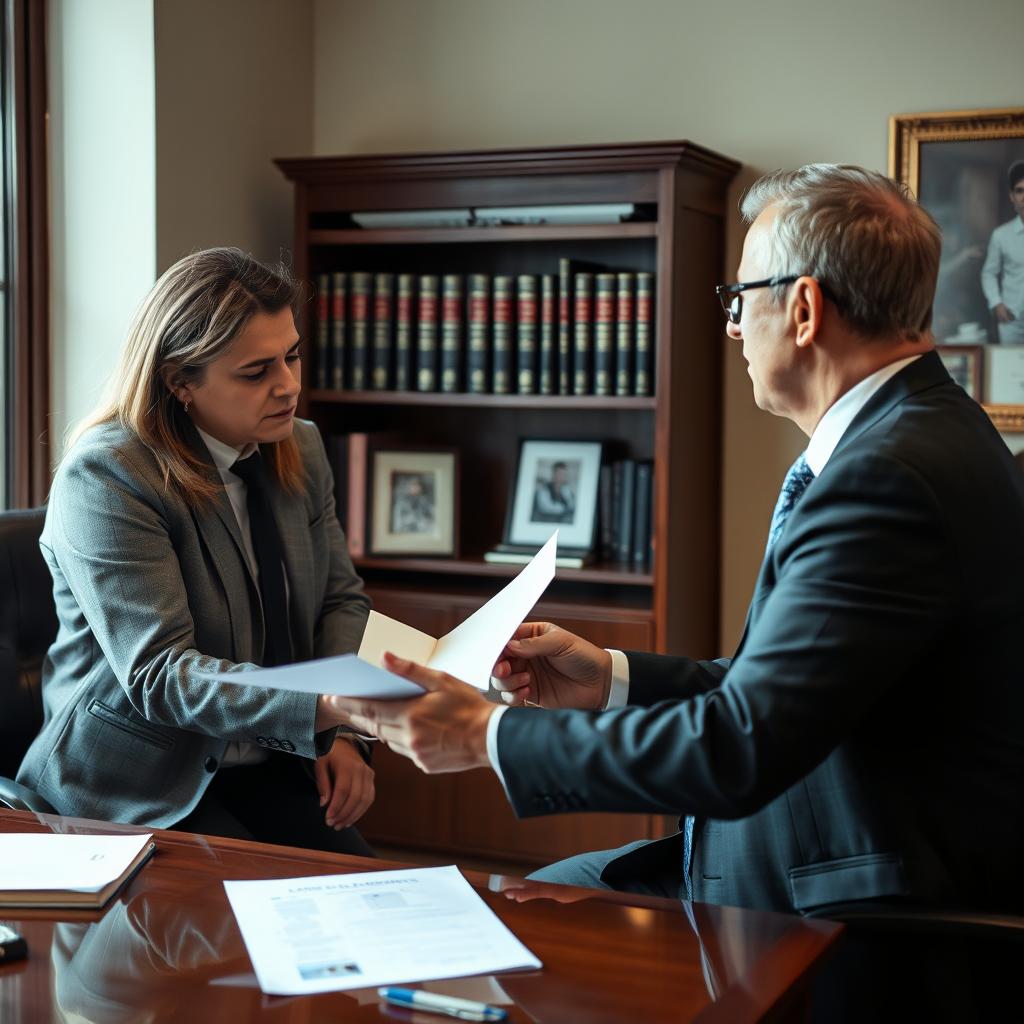
Graffiti Defense Lawyer Foggy Bottom, DC
You are a graduate student at George Washington University, living in a group house on I Street a short walk from the Foggy Bottom Metro station. After a late night out, Metro Transit Police stop you near the station entrance and cite you for allegedly spray-painting a tag on a utility box. You are handed a citation that lists a violation of D.C. Code Title 22 and told to appear at DC Superior Court. A graffiti charge in the District of Columbia may sound minor, but a conviction can leave you with a permanent criminal record, immigration consequences if you are a visa holder, and serious disruptions to your education and career. Law Offices Of SRIS, P.C. defends individuals facing graffiti-related charges in Foggy Bottom and throughout Washington, D.C. To request a consultation, call (888) 437-7747. Law Offices Of SRIS, P.C. – Advocacy Without Borders.
Graffiti Defense in Foggy Bottom: What You Are Up Against
Prosecutions for graffiti and property damage in Washington, D.C., are handled at DC Superior Court, 500 Indiana Avenue NW. The United States Attorney’s Office for the District of Columbia—not a local district attorney—prosecutes these matters. That federal prosecutorial posture means cases move on a federal timeline and under federal prosecutorial guidelines, a dynamic many people arrested in Foggy Bottom do not anticipate.
In the neighborhoods around the George Washington University campus, the State Department, and the Kennedy Center, Metropolitan Police Department (MPD) and Metro Transit Police actively patrol for property crime. Graffiti arrests often arise from surveillance footage, witness identification, or social media posts. A person may be charged with destruction of property under D.C. Code § 22-303, which covers malicious destruction, defacement, or injury to real or personal property. If the alleged damage is valued at less than $1,000, the charge is a misdemeanor; at or above $1,000, it is a felony. Graffiti charges may also be brought under D.C. Code § 22-3312.01 et seq., which specifically addresses graffiti and tagging.
The Foggy Bottom community includes students, federal employees, international professionals, and long‑term residents. A criminal charge arising from alleged spray‑painting on public or private property can have outsized consequences for people whose careers or immigration status depend on a clean record. Mr. Sris and his Of Counsel bring experience with the DC Superior Court system to every graffiti defense matter, working to protect your future.
How Mr. Sris and His Of Counsel Handle Graffiti Charges
When you meet with us about a graffiti allegation in Foggy Bottom, we begin by examining the government’s evidence. Graffiti cases often depend on thin proof: a blurry surveillance video, a witness who saw someone wearing a hoodie, or an officer’s identification from a distance. Mr. Sris and his Of Counsel scrutinize the charging documents, the police reports, and any video or photographic evidence for weaknesses.
In DC Superior Court, the Pretrial Services Agency (PSA) assesses a defendant’s risk and may recommend release on personal recognizance or with conditions, rather than money bail. We advocate for the least restrictive release terms at the initial appearance. For many Foggy Bottom defendants, particularly those with no prior record, release pending trial is achievable. We then actively pursue favorable outcomes—whether that means a pretrial diversion, a motion to suppress evidence, a negotiated reduction, or a trial. Because graffiti cases sometimes hinge on the value of the damage, we may engage attorneys to challenge the prosecution’s valuation and keep a case in the misdemeanor category.
What to Expect at DC Superior Court
A person cited for graffiti in Foggy Bottom will appear in the Criminal Division of DC Superior Court. The court is located at 500 Indiana Avenue NW, directly at the Judiciary Square Metro stop on the Red Line. After the initial presentment, the judge sets a status hearing date. Misdemeanor cases typically move within a few months; felony cases may take longer. The United States Attorney’s Office may extend a plea offer, and we evaluate every offer against the strength of the evidence and the client’s personal circumstances.
Importantly, DC law provides for record sealing for eligible offenses under D.C. Code § 16‑803. If a graffiti case concludes with a dismissal or acquittal, the record may be sealed immediately. Certain convictions become eligible after a waiting period. Mr. Sris and his Of Counsel advise every client on post‑resolution record relief, helping to minimize the long‑term footprint of a graffiti arrest.
About Mr. Sris and His Of Counsel Team
Mr. Sris, Owner and Founder of Law Offices Of SRIS, P.C., is a former prosecutor who has practiced criminal defense since 1997. He is admitted to practice in the District of Columbia, Virginia, Maryland, New Jersey, and New York. Mr. Sris testified before the Virginia House Courts of Justice Committee in support of 2019 HB 635 (chief patron Del. David Bulova). His background in accounting and information systems gives him a sharp eye for evidentiary details in property‑crime cases.
Mr. Sris and his Of Counsel bring over 120 years of combined legal experience and 4,739+ documented firm-wide results. Results may vary. Their collective criminal defense work includes thousands of documented case results across multiple states and the District of Columbia. In DC graffiti matters, the team draws on deep familiarity with the Superior Court, the United States Attorney’s Office, and local forensic challenges.
Frequently Asked Questions
What does a graffiti charge mean in Washington, D.C.?
A graffiti charge in D.C. Is a criminal prosecution under Title 22 of the D.C. Code, typically for destruction of property or under the specific graffiti statute. It can be charged as a misdemeanor or a felony depending on the value of the damage. The United States Attorney’s Office prosecutes the case in DC Superior Court. If convicted, you face possible jail time, fines, and a criminal record that can affect employment, housing, and immigration.
Do I need a lawyer for a graffiti ticket in Foggy Bottom?
Yes, you should speak with an experienced defense attorney even if the charge appears minor. A graffiti “ticket” is actually a criminal citation that requires a court appearance. An attorney can evaluate whether the prosecution’s evidence is legally sufficient, negotiate for a dismissal or diversion, and advise you on record‑sealing options. Without counsel, you risk an unnecessary conviction that stays on your record.
Can graffiti charges be dropped in DC?
Graffiti charges can be dismissed if the prosecution’s evidence is weak or if the defense presents compelling mitigating factors. Common reasons for dismissal include faulty identification, lack of proof that you caused the damage, or unlawful police conduct. In some cases, the United States Attorney’s Office may agree to a deferred prosecution or diversion program that, upon completion, results in a dismissal. Having an attorney who knows DC Superior Court procedures helps you pursue the trusted resolution.
What is the penalty for graffiti in Washington, D.C.?
The penalty depends on whether the charge is a misdemeanor or felony and the value of the damage. Under D.C. Code § 22‑303, destruction of property valued under $1,000 is a misdemeanor punishable by up to 180 days in jail and a fine. Felony destruction is punishable by up to 10 years in prison. Specific graffiti statutes may carry additional community‑service requirements or restitution. The court may also impose probation and order payment for the cost of removing the graffiti.
How long does a graffiti case take in DC Superior Court?
The timeline varies, but most misdemeanor graffiti cases resolve within a few months, while felony cases may take longer. The court schedules an initial appearance within days of arrest, followed by status hearings. Discovery, motion practice, and plea negotiations all affect the pace. A trial, if necessary, can push a case to six months or more. Mr. Sris and his Of Counsel work to resolve cases efficiently while protecting your rights.
Can I get my DC graffiti charge sealed from my record?
Yes, many graffiti charges are eligible for record sealing under D.C. Code § 16‑803. If your case ends in a dismissal or acquittal, you can petition for sealing immediately. A conviction for an eligible offense may be sealed after a waiting period—usually two to eight years, depending on the offense. Sealing removes the arrest and court record from public view, which can help when you apply for jobs, graduate school, or professional licenses.
Will a graffiti conviction affect my student visa or green card?
A criminal conviction, including for graffiti, can have serious immigration consequences. A conviction for a crime involving moral turpitude or a felony may trigger removal proceedings or make you inadmissible to the United States. Even a misdemeanor can complicate visa renewals or adjustment of status. Because Mr. Sris and his Of Counsel understand the intersection of criminal and immigration law, they advise clients on potential immigration impacts and work to negotiate resolutions that minimize those risks.
What should I bring to my consultation about a graffiti charge?
Bring the citation, any paperwork you received from the police or court, and a summary of what happened. If you have photographs of the alleged graffiti, a list of witnesses, or any other information that might help your defense, bring those materials as well. The more information you provide, the better we can evaluate the strengths and weaknesses of the prosecution’s case and give you practical guidance on next steps. To schedule a consultation, call (888) 437‑7747.
Does DC have cash bail for graffiti charges?
No, DC does not use traditional cash bail. The Pretrial Services Agency (PSA), a federal agency, assesses your risk and recommends release conditions to the court. Most defendants are released on personal recognizance or under supervision while their case proceeds. If you are arrested for graffiti in Foggy Bottom, an attorney can advocate for favorable release conditions at your initial appearance.
How do I find a graffiti defense lawyer near Foggy Bottom?
You can contact Law Offices Of SRIS, P.C., which serves clients in Foggy Bottom and across DC from our Arlington location. Calls are answered 24 hours a day, and consultations are available by appointment. Our firm handles every graffiti case with attention to the local court procedures and the unique federal‑local hybrid jurisdiction that makes DC criminal practice distinct. Call (888) 437‑7747 to discuss your situation.
Criminal Defense Lawyer Washington, D.C. · Criminal Defense Lawyer Georgetown · Criminal Defense Lawyer Spring Valley · Criminal Defense Lawyer Cleveland Park · Criminal Defense Lawyer Chevy Chase
Law Offices Of SRIS, P.C.
Served from Arlington Location: 1655 Fort Myer Dr, Suite 700, Room 719, Arlington, VA 22209
Phone: (888) 437‑7747 | Local: (703) 589‑9250
By appointment. Call to schedule.
Attorney advertising. Prior results do not guarantee a similar outcome. Results may vary. Case results depend on a variety of factors unique to each case.