
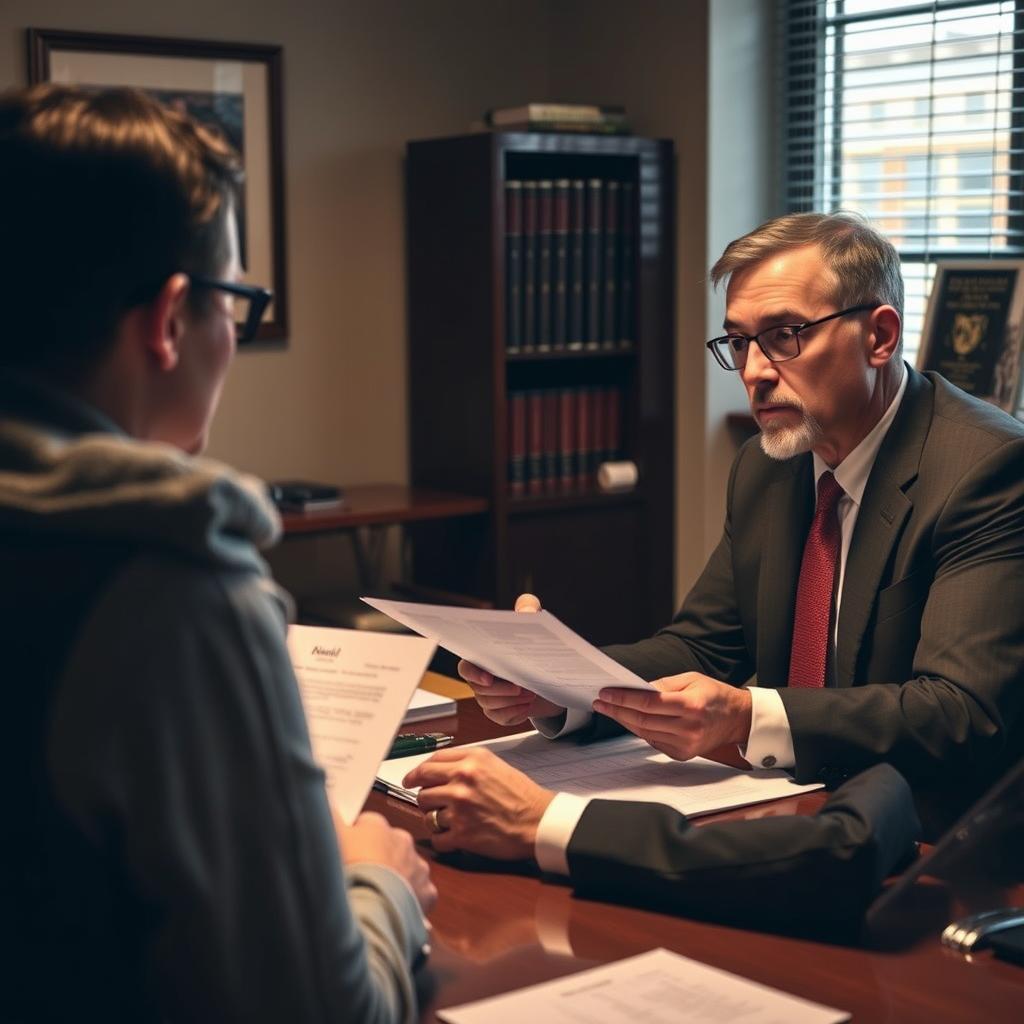
Disorderly Conduct Lawyer Washington DC
Being charged with disorderly conduct in Washington, D.C., can be unsettling. While it may be classified as a less serious offense, a conviction can still result in a permanent criminal record, fines, and even the possibility of jail time. The District of Columbia’s criminal justice system operates under a unique federal-local hybrid framework — local crimes under D.C. Code are prosecuted not by a district attorney but by the United States Attorney’s Office for the District of Columbia. At Law Offices Of SRIS, P.C., Mr. Sris and his Of Counsel bring extensive combined legal experience to defending individuals facing disorderly conduct allegations in D.C. Superior Court. With a thorough understanding of local procedure and a former prosecutor’s insight, we work to protect your rights and pursue the most favorable resolution possible. For a consultation, reach our firm at (888) 437-7747. Law Offices Of SRIS, P.C. – Advocacy Without Borders.
What Disorderly Conduct Means in Washington DC
Disorderly conduct in the District of Columbia is primarily governed by D.C. Code Title 22 (Criminal Offenses and Penalties). The statute criminalizes a range of behaviors that disturb public peace, such as fighting, making unreasonable noise, engaging in tumultuous conduct, or using abusive language that is likely to provoke a violent reaction. Because D.C. Is not a state, these charges are handled by the Criminal Division of D.C. Superior Court, located at 500 Indiana Avenue NW, not a state-level district or circuit court.
Importantly, the prosecutor in any D.C. Disorderly conduct case is the United States Attorney’s Office for the District of Columbia (USAO-DC). There is no local prosecutor or district attorney. This federal overlay means the prosecutorial approach can differ from what you might encounter in neighboring Virginia or Maryland. Additionally, the D.C. Pretrial Services Agency — a federal agency — handles release decisions. In most disorderly conduct cases, pretrial detention is unlikely, and release conditions are based on a risk assessment rather than a traditional cash bail system. Understanding these procedural nuances is critical to mounting an effective defense.
How Mr. Sris and His Of Counsel Handle Disorderly Conduct Cases
When you engage Law Offices Of SRIS, P.C., our team begins by thoroughly reviewing the arrest report, any witness statements, and the specific language of the charging document. Disorderly conduct charges can arise from a wide spectrum of behavior, and the strength of the government’s case often hinges on subjective interpretations of what constitutes “unreasonable” noise or “tumultuous” conduct. Mr. Sris, a former prosecutor, knows how the prosecution evaluates evidence and where its weaknesses tend to lie.
Our approach includes challenging the factual basis of the charge — whether the conduct actually met the legal standard for disturbing the peace — and raising constitutional defenses where applicable, such as First Amendment protections for expressive conduct. We frequently negotiate with the U.S. Attorney’s Office to seek alternatives to conviction, including diversion programs or deferred prosecution agreements, when they serve the client’s interests. If trial is necessary, Mr. Sris and his Of Counsel are prepared to advocate vigorously in D.C. Superior Court. Throughout the process, we keep you informed and explain each stage so you can make decisions with clarity.
About Mr. Sris and His Of Counsel Team
Mr. Sris, Owner and Founder of Law Offices Of SRIS, P.C., has practiced law since 1997 and is admitted in Virginia, Maryland, the District of Columbia, New Jersey, and New York. As a former prosecutor, he brings a distinctive perspective to criminal defense — he understands how the other side builds its case and uses that insight to protect his clients’ interests. Mr. Sris testified before the Virginia House Courts of Justice Committee in support of 2019 HB 635 (chief patron Del. David Bulova). His Of Counsel team consists of experienced attorneys who share the firm’s commitment to thorough preparation and client-focused representation.
Together, Mr. Sris and his Of Counsel have documented case results across all practice areas since 1997. Results may vary. For those facing disorderly conduct charges in Washington, D.C., the firm’s multi-state experience and in-depth knowledge of D.C. Superior Court procedure provide a strong foundation for a well-prepared defense.
Frequently Asked Questions
Who prosecutes criminal cases in Washington, D.C.?
Criminal cases in Washington, D.C., are prosecuted by the United States Attorney’s Office for the District of Columbia (USAO-DC), not a local district attorney. Because D.C. Is a federal territory, all local crimes under D.C. Code are prosecuted by federal prosecutors. Cases are heard at D.C. Superior Court, 500 Indiana Avenue NW. The District also uses the Pretrial Services Agency for release decisions instead of a traditional cash bail system.
Does DC have cash bail?
No, the District of Columbia does not use a cash bail system for most offenses. Instead, the Pretrial Services Agency, a federal agency, assesses a defendant’s risk and recommends release conditions to the court. Most individuals charged with misdemeanors like disorderly conduct are released without having to post money. The focus is on court appearance rather than financial detention.
Can I get my DC criminal record sealed if I am convicted of disorderly conduct?
Yes, under D.C. Code § 16-803, many criminal records — including some convictions — may be eligible for sealing after a waiting period. Acquittals, dismissals, and certain misdemeanor convictions may be sealed if the waiting period has passed and the petitioner has not been convicted of other disqualifying offenses. Marijuana offenses have expanded eligibility. Petitions are filed at D.C. Superior Court, and an experienced attorney can evaluate your eligibility.
What are the penalties for disorderly conduct in Washington, D.C.?
Disorderly conduct in D.C. Is generally prosecuted as a misdemeanor and can result in fines, probation, community service, and up to a short jail term. The specific penalty depends on the nature of the conduct, any prior record, and whether other charges are involved. A conviction also creates a permanent criminal record unless later sealed. Each case is unique, and an attorney can explain the possible sentencing exposure based on the court’s practices.
How does a lawyer defend against disorderly conduct charges?
A defense attorney typically challenges the elements the government must prove — that the conduct was actually disorderly rather than merely annoying or expressive — and examines whether police reports and witness statements support the charge. Constitutional defenses, such as free speech protections, may apply if the conduct was communicative. An attorney may also negotiate with prosecutors for a dismissal, diversion, or an agreement that avoids a conviction. The approach is always tailored to the specific facts of the case.
What should I do if I am accused of disorderly conduct in D.C.?
If you have been charged, remain silent and do not discuss the facts with anyone except your attorney. Gather any evidence you have, including witness contact information, photos, or video recordings. Contact a criminal defense lawyer familiar with D.C. Superior Court as soon as possible to begin assessing the charge and developing a strategy. Early intervention can often influence the prosecutorial approach and help achieve a more favorable outcome.
For guidance on your specific situation, reach Law Offices Of SRIS, P.C. at (888) 437-7747.
Also serving D.C. Neighborhoods:
Georgetown Criminal Lawyer |
Spring Valley Criminal Defense Attorney |
Cleveland Park Criminal Defense Lawyer |
American University Park Criminal Defense Attorney
Primary legal resources:
D.C. Superior Court •
D.C. Code Title 22 (Criminal Offenses)
Attorney advertising. Prior results do not guarantee a similar outcome.
Results may vary.
Case results depend on a variety of factors unique to each case.