
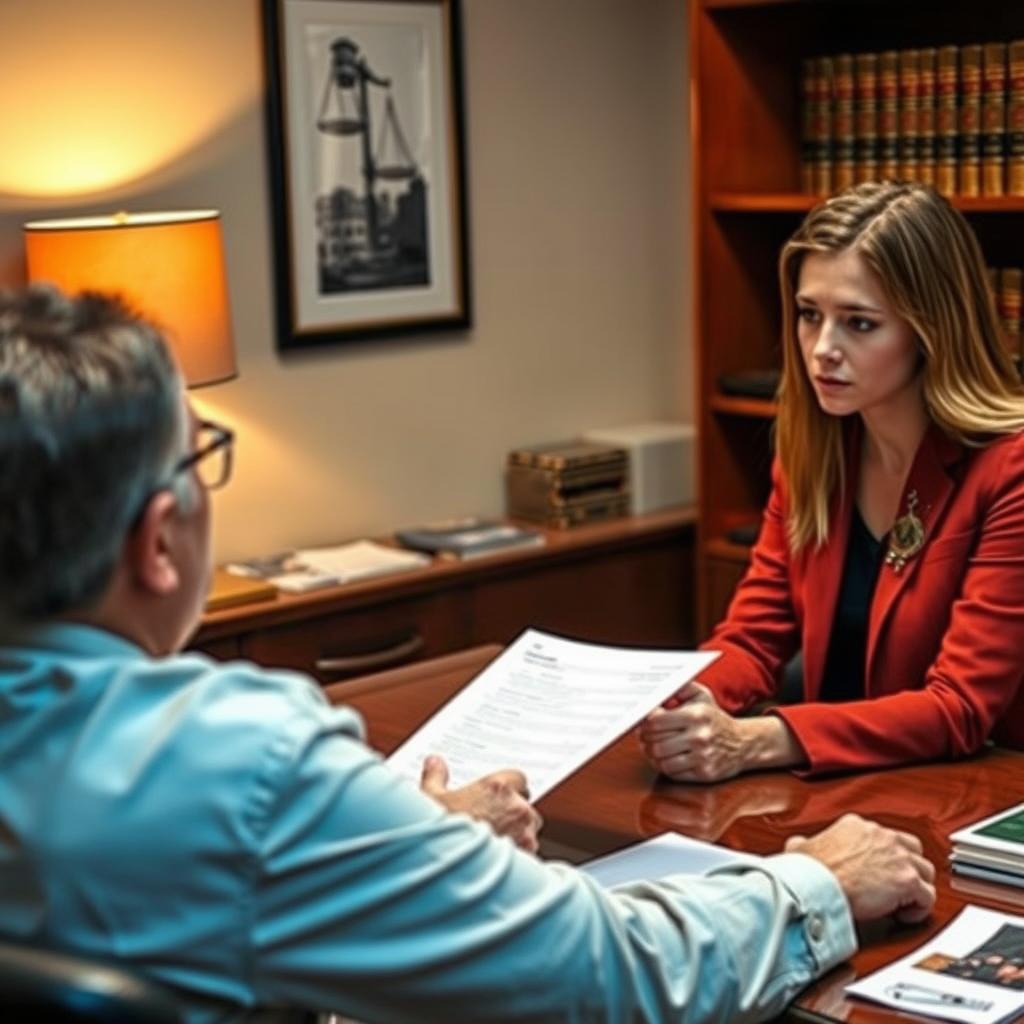
Juvenile Defense Lawyer in Baltimore County, Maryland — Protecting Your Child’s Future
A juvenile charge in Baltimore County can have serious, long-term consequences for your child’s record and future. Under Maryland law, juvenile proceedings are handled differently than adult criminal cases, focusing on rehabilitation but still carrying significant penalties. Law Offices Of SRIS, P.C.
Last verified: April 2026 | District Court of MD for Baltimore County – Towson | Maryland General Assembly
Understanding Juvenile Law in Maryland
In Maryland, a “juvenile” is generally a person under the age of 18. The juvenile justice system is governed by the Md. Code, Courts and Judicial Proceedings Article, Title 3. While the goal is often rehabilitation, the process is formal and can result in detention, probation, and a juvenile record that may affect education, employment, and housing. Charges can range from misdemeanors like theft or assault to more serious felonies. It is critical to have a juvenile defense lawyer Baltimore who knows how to handle this system to seek the best possible outcome, such as diversion programs or dismissal.
Key Resources and Statutes
For official information, refer to the Maryland state statutes and the District Court of MD for Baltimore County – Towson website for local procedures and forms.
Local Juvenile Court Process in Baltimore County
Juvenile cases in Baltimore County typically begin with a referral from law enforcement to the Department of Juvenile Services (DJS). The case may proceed to the District Court for Baltimore County, which has jurisdiction over juvenile matters. The process is not the same as an adult criminal trial; there is an adjudicatory hearing (similar to a trial) and a disposition hearing (similar to sentencing). Prosecutors from the State’s Attorney for Baltimore County handle these cases. An experienced juvenile defense lawyer near me Baltimore can intervene early, often before a petition is filed, to advocate for diversion or other alternatives to formal court involvement.
- Initial Contact & Investigation: After an arrest or citation, the police report is sent to the Department of Juvenile Services (DJS) for review.
- Intake & Diversion: A DJS case manager assesses the matter. This is a critical stage where your attorney can argue for informal adjustment or diversion programs to avoid court.
- Filing of Petition: If the case proceeds formally, the State’s Attorney files a petition alleging the delinquent act.
- Adjudicatory Hearing: This is the trial phase where the court determines if the juvenile committed the alleged act. Your defense lawyer will present evidence and cross-examine witnesses.
- Disposition Hearing: If the juvenile is found involved, the court holds a separate hearing to determine the appropriate consequence, which could range from probation to commitment.
- Post-Disposition: Options may include appeals, motions for modification, or eventually, expungement of the juvenile record.
Potential Consequences in Juvenile Court
In Baltimore County, a finding of involvement in a juvenile case can lead to probation, community service, counseling, restitution, or even commitment to a juvenile facility.
| Potential Disposition | Description | Typical Duration |
|---|---|---|
| Probation | Supervision by a juvenile probation officer with specific conditions (e.g., school attendance, curfew). | 6 months to 2+ years |
| Commitment | Placement in a juvenile detention or treatment facility. | Varies by offense and facility |
| Diversion/Informal Adjustment | An agreement to complete specific tasks (community service, counseling) without a formal finding. | Until tasks are completed |
| Restitution | Court-ordered payment to victims for losses. | As ordered by the court |
Results may vary. Prior results do not guarantee a similar outcome.
Why Choose Our Firm for Juvenile Defense
Founded in 1997 by former prosecutor Mr. Sris, Law Offices Of SRIS, P.C. brings over 120 years of combined legal experience to every case. Our firm-wide track record includes 4,739+ documented case results with a favorable outcome rate exceeding 93%. We understand that a juvenile charge is a family crisis, and we provide compassionate yet aggressive representation focused on protecting your child’s future. We are familiar with the local prosecutors, judges, and diversion programs in Baltimore County.
Case Results and Client Advocacy
While specific juvenile case details are confidential, our approach is proven. For example, in adult-related matters, our firm has secured results like a Nolle Prosequi (charges dropped) in a Baltimore County child pornography distribution case. Firm-wide, we have handled 4,739+ documented case results with over 93% favorable outcomes. Mr. Sris, our founder, provides strategic oversight on complex matters. Results may vary. We fight for dismissals, diversions, and outcomes that minimize the impact on a young person’s life.
Contact Our Baltimore County Juvenile Defense Lawyers
Our Maryland location serves clients throughout Baltimore County, including Towson, Dundalk, Essex, Catonsville, Pikesville, Cockeysville, Reisterstown, Owings Mills, Perry Hall, White Marsh, and Timonium. We offer 24/7 phone consultations and meetings by appointment only.
Law Offices Of SRIS, P.C. — Maryland
199 E Montgomery Ave Suite 100 Room 211, Rockville, MD 20850
Toll-Free: (888) 437-7747 | Local: (888)-437-7747
By appointment only.
Frequently Asked Questions: Juvenile Defense in Baltimore County
What is the difference between juvenile court and adult court in Maryland?
Yes, there are major differences. Juvenile court focuses on rehabilitation and the best interests of the child, while adult court emphasizes punishment. Proceedings are generally confidential, and findings are called “involvement” rather than “guilt.” However, serious consequences like detention are still possible.
Can a juvenile record be sealed or expunged in Maryland?
It depends. Maryland law allows for the expungement of most juvenile records under certain conditions, typically after a waiting period (often 3-5 years after the case closes) and if the juvenile has not been convicted of a new crime. An affordable juvenile defense lawyer Baltimore can advise on your child’s specific eligibility and guide you through the petition process.
Will my child go to jail for a juvenile offense?
Not necessarily. While commitment to a juvenile facility is possible for serious offenses, the court prioritizes alternatives like probation, counseling, and diversion programs. The goal is rehabilitation. An experienced attorney’s early intervention is crucial to arguing for these alternatives.
Do I need a lawyer for my child’s first juvenile court date?
Yes. The first hearings are critical. Having a juvenile defense lawyer near me Baltimore present ensures your child’s rights are protected from the start and allows your attorney to immediately advocate for diversion or a favorable resolution, potentially avoiding a formal petition altogether.
What should I look for in a juvenile defense lawyer?
Look for an attorney with specific experience in Maryland juvenile court, knowledge of local Baltimore County procedures and diversion programs, a compassionate approach to working with families, and a track record of favorable outcomes. You need a strong advocate who understands both the legal stakes and the personal impact on your child.
Office visits by appointment only. Phone consultations available 24/7.