
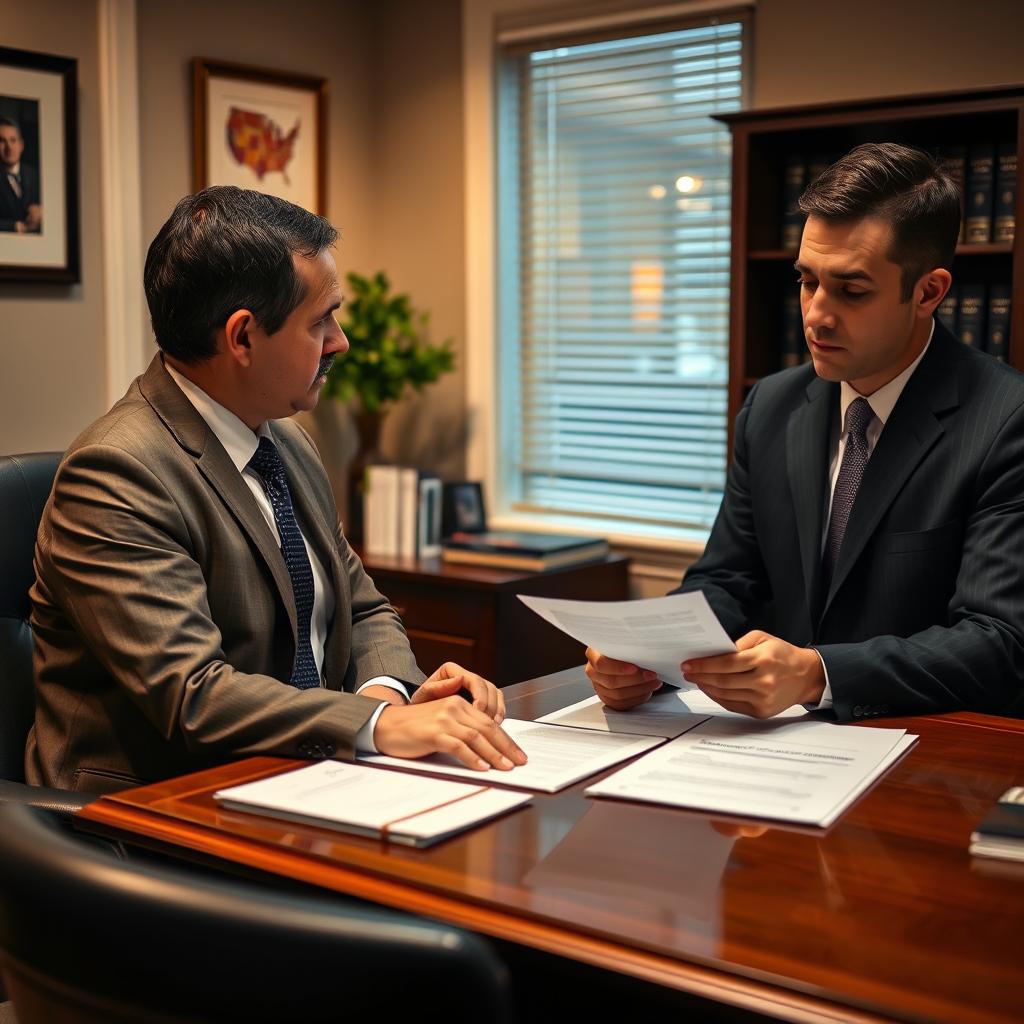
Burglary Lawyer Foggy Bottom, DC
A burglary charge in Foggy Bottom—the historic neighborhood that stretches from the Potomac waterfront to George Washington University and the State Department—can come as a shock. The case begins at the D.C. Superior Court at 500 Indiana Avenue NW, a courthouse that handles all local criminal matters in the District. Here, the United States Attorney’s Office for the District of Columbia prosecutes crimes under D.C. Code Title 22, not a local district attorney. Because the District is a federal territory, every criminal case carries a layer of federal procedure that does not exist in state courts. At Law Offices Of SRIS, P.C., Mr. Sris and his Of Counsel understand that hybrid jurisdictional structure and build a defense tailored to the practices of the USAO-DC and the outlook of the D.C. Superior Court. For a consultation about a Foggy Bottom burglary arrest, reach our firm at (888) 437-7747.
Burglary Charges in Foggy Bottom, DC
Burglary in the District is charged under D.C. Code Title 22, which criminalizes entering a building or occupied structure with the intent to commit a crime. The statute distinguishes between first-degree and second-degree burglary, with the more serious charges typically involving a dwelling or the presence of a weapon. Whether the alleged offense occurred in a Foggy Bottom apartment, a university dormitory, or a commercial property along Pennsylvania Avenue, the case follows a unique procedural path. Unlike most American cities, Washington, D.C. Has no cash bail system; the Pretrial Services Agency, a federal agency, assesses each defendant and recommends release conditions. That release determination can shape the entire defense strategy from day one.
The Metropolitan Police Department—which patrols the Foggy Bottom campus area and the surrounding residential streets—makes arrests and refers investigations to the USAO-DC. A burglary defendant may appear at the D.C. Superior Court (Criminal Division), 500 Indiana Avenue NW, for an initial presentment within 24 hours. From there, the case moves through status hearings, plea negotiations, and, if necessary, a trial. The court follows federal speedy-trial requirements, but the schedule can vary by the complexity of the evidence and the court’s calendar. For anyone living in or near the George Washington University area, having counsel who regularly appears in that courthouse helps a client navigate a process that can otherwise feel overwhelming.
How Mr. Sris and His Of Counsel Handle Burglary Cases
When a client facing a burglary charge in the District contacts Law Offices Of SRIS, P.C., the first step is a thorough review of the arrest and the evidence the government intends to use. Mr. Sris and his Of Counsel examine the charging affidavit, any search warrants, and the physical or digital evidence the Metropolitan Police Department has gathered. In a Foggy Bottom burglary case, that evidence might include surveillance footage from building security systems, eyewitness accounts from neighbors or students, or forensic analysis of a crime scene. Because the team has experience with the USAO-DC and the way it approaches burglary prosecutions, they are able to spot weaknesses in the government’s case—whether in the identification of the defendant, the credibility of a witness, or the integrity of the evidence chain.
After the initial assessment, Mr. Sris and his Of Counsel engage with the assigned Assistant United States Attorney to explore whether the charge can be reduced, dismissed, or resolved through a plea that avoids the most serious consequences. In the District, many burglary cases pivot on the quality of the evidence and the defendant’s prior record. The team also prepares for trial when that serves the client’s interests, knowing the preferences of the judges in the D.C. Superior Court and the tactics prosecutors commonly use. Throughout the process, the client is kept informed about each development, including the implications of the Pretrial Services Agency’s release conditions and the potential immigration or employment consequences of a burglary conviction.
About Mr. Sris and His Of Counsel Team
Mr. Sris, Owner and Founder of Law Offices Of SRIS, P.C., started the firm in 1997 after serving as a former prosecutor. His experience on the other side of the courtroom gives him a clear-eyed understanding of how the government builds a case—and where its seams are. He is admitted in Virginia, Maryland, the District of Columbia, New Jersey, and New York. Mr. Sris testified before the Virginia House Courts of Justice Committee in support of 2019 HB 635 (chief patron Del. David Bulova). He keeps a limited personal caseload so that he remains closely involved in the strategic direction of each client’s matter.
Mr. Sris is supported by a team of Of Counsel attorneys, each of whom brings substantial trial and investigative experience to the firm’s criminal defense work. The collective practice includes handling complex felonies, analyzing forensic evidence, and negotiating with federal prosecutors. Mr. Sris and his Of Counsel bring extensive combined legal experience. Results may vary.
Frequently Asked Questions
Who prosecutes criminal cases in Washington, D.C.?
Criminal cases in the District are prosecuted by the United States Attorney’s Office for D.C. (USAO-DC), not a local district attorney. Because D.C. Is a federal territory, local crimes under the D.C. Code are handled by federal prosecutors. All cases are heard at D.C. Superior Court, 500 Indiana Avenue NW, Washington, DC 20001. The Metropolitan Police Department makes the arrest, and the Pretrial Services Agency determines release conditions instead of traditional cash bail. For a Foggy Bottom burglary arrest, the USAO-DC handles the charging and prosecution, making it important to have a defense team that understands federal-local hybrid procedures.
Does DC have cash bail?
No; the District uses the Pretrial Services Agency, a federal agency, to assess risk and recommend release conditions. Most defendants are released without posting money, often with conditions like curfews or periodic check-ins. This system eliminates the cash-bail burden familiar in state courts, but failure to comply with release terms can lead to revocation. Understanding the PSA’s assessment factors can directly affect a defendant’s freedom while the case is pending, so it is a priority early in the representation.
What is the difference between burglary and robbery in DC?
Burglary is entering a building with intent to commit a crime, while robbery involves taking property directly from a person by force or threat. A Foggy Bottom burglary charge typically arises when someone is accused of breaking into a home, office, or commercial space. Robbery, by contrast, requires confrontation with a victim. The distinction affects penalties, evidentiary demands, and defense strategy. An experienced attorney examines the facts to determine whether the charge arguably fits one or the other, because the consequences and negotiation dynamics differ substantially.
What should I do if I am arrested for burglary in Foggy Bottom?
If you are arrested for burglary in the Foggy Bottom area, the single most important step is to remain silent and ask to speak with an attorney. Do not discuss the facts with the police or anyone else, because anything you say can be used as evidence. The case will proceed through the Metropolitan Police Department and the USAO-DC, so early legal intervention helps ensure your rights are protected from the initial presentment onward. Request to contact Law Offices Of SRIS, P.C. at (888) 437-7747. Preserve any communication records and avoid posting about the incident on social media.
Can I get a DC criminal record sealed for a burglary charge?
Record sealing in D.C. Is governed by D.C. Code § 16-803 and is available for acquittals, dismissals, and certain convictions after waiting periods. If a burglary case ends in a dismissal or an acquittal, the client may petition the D.C. Superior Court to seal the police and court records. For convictions, sealing eligibility depends on the offense category and the time that has passed. Because the law has been expanded in recent years to cover more offenses, consult with an attorney about your specific record. Sealing a record can be important for employment, housing, and professional licensing.
How does the court process for a burglary charge work in DC?
After an arrest, the defendant appears at the D.C. Superior Court for an initial presentment, usually within 24 hours, where a magistrate informs them of the charge and a judicial officer makes a release decision. Then, the case proceeds through status hearings, discovery, and plea negotiations with the USAO-DC. If no resolution is reached, the case is set for trial. The timeline depends on the complexity of the evidence and the court’s schedule. Throughout, a defense attorney can challenge the government’s proof, file motions to suppress evidence, and argue for a reduction or dismissal of the charge. For guidance on your specific situation, reach Law Offices Of SRIS, P.C. at (888) 437-7747.
Related pages:
Washington, D.C. Criminal Defense Lawyer |
Georgetown Criminal Defense Lawyer |
Spring Valley Criminal Defense Lawyer |
Cleveland Park Criminal Defense Lawyer
Primary sources:
DC Superior Court |
DC Criminal Code (Title 22)
Attorney advertising. Prior results do not guarantee a similar outcome. Results may vary.
Attorney responsible for this advertising: Mr. Sris.
Case results depend on a variety of factors unique to each case.