
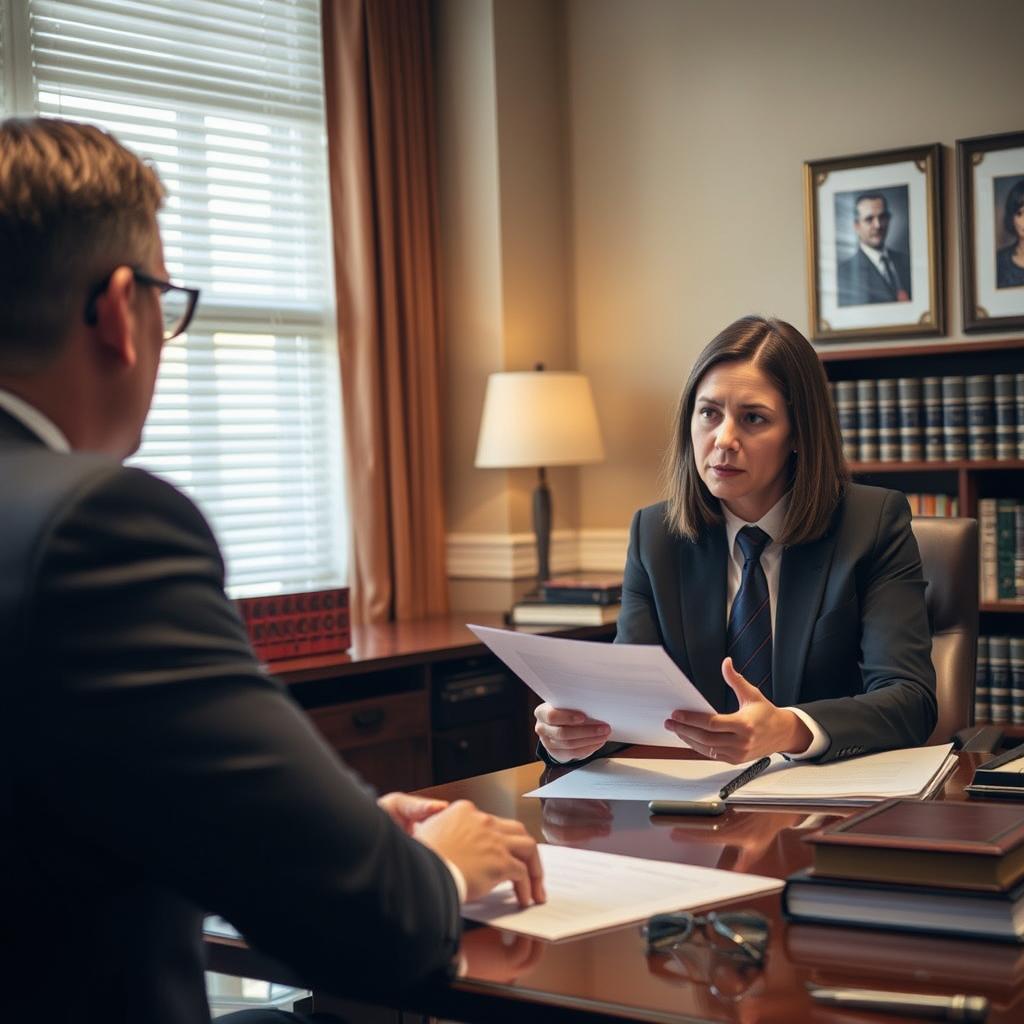
Felony Theft Lawyer Foggy Bottom, DC
Facing a felony theft charge in the Foggy Bottom neighborhood of Washington, D.C., can be an overwhelming experience. Law Offices Of SRIS, P.C. Concentrates its practice on criminal defense across the District of Columbia, and our attorneys understand the unique hybrid nature of the D.C. Legal system — where local crimes under the D.C. Code are prosecuted by the United States Attorney’s Office for the District of Columbia, not a local district attorney. This dynamic creates distinct procedural challenges, from the grand-jury process to the Pretrial Services Agency’s risk-assessment system that replaces traditional cash bail. Mr. Sris and his Of Counsel team bring extensive experience representing individuals charged with felony theft before the D.C. Superior Court, Criminal Division, located at 500 Indiana Avenue NW. To request a consultation regarding your felony theft matter, call (888) 437-7747. Law Offices Of SRIS, P.C. – Advocacy Without Borders.
What Felony Theft Means in Foggy Bottom, DC
Felony theft in Washington, D.C., is defined under Title 22 of the D.C. Code. Generally, a theft is charged as a felony when the value of the property or services taken exceeds $1,000, or when the offense involves specific aggravating circumstances — such as theft from a person or a theft committed with the use of a firearm or other dangerous weapon. Cases arising in Foggy Bottom are filed and heard at the D.C. Superior Court, Criminal Division, at 500 Indiana Avenue NW, just a short distance from the Foggy Bottom neighborhood via the Metro’s Blue, Orange, or Silver Lines. The U.S. Attorney’s Office for the District of Columbia prosecutes all local felony theft cases. This means that the prosecution team is a federal office, bringing substantial resources and experience to bear on the case. As a result, individuals charged with felony theft benefit from working with defense counsel who are thoroughly familiar with the D.C. Superior Court’s procedures, evidentiary rules, and the specific practices of the United States Attorney’s Office.
The Washington, D.C., criminal justice system also operates without a traditional cash-bail system. Instead, the Pretrial Services Agency, a federal agency, conducts a risk assessment and recommends release conditions to the court. This system makes an immediate focus on the individual’s ties to the community, employment, and prior record especially important at the earliest stages of a case. Our attorneys understand how to present a strong case for release on personal recognizance or with minimal conditions, which can make a significant difference in the pretrial phase. Because Foggy Bottom is a densely populated area near several federal agencies, universities, and the Watergate complex, a felony theft charge can have pronounced consequences for a person’s security clearance, professional license, or educational standing. Addressing those collateral impacts early is a key part of a well-prepared defense.
How Mr. Sris and His Of Counsel Handle Felony Theft Cases
Mr. Sris and his Of Counsel approach every felony theft case with a focus on the specific facts and circumstances presented. The first step is a careful review of the charging document and the arrest affidavit to identify any constitutional or evidentiary issues that may support a motion to suppress or a motion to dismiss the indictment. Our team examines whether the police had probable cause to make an arrest, whether the search or seizure complied with the Fourth Amendment, and whether the value of the alleged stolen property can be proven beyond a reasonable doubt — a critical element for a felony charge when the threshold amount is at issue.
Pretrial advocacy before the D.C. Superior Court often includes engaging in discovery, retaining attorneys when necessary, and communicating with the assigned Assistant United States Attorney to explore potential resolutions that avoid the most severe consequences. If a favorable pretrial resolution is not possible, Mr. Sris and his Of Counsel are prepared to present a thorough defense at trial, challenging the prosecution’s evidence and presenting the client’s side of the story. Throughout the process, our attorneys keep clients informed and work to protect their right to a fair proceeding. Every case is unique; the approach taken depends on the specific facts and the client’s goals.
About Mr. Sris and His Of Counsel Team
Mr. Sris is the Owner and Founder of Law Offices Of SRIS, P.C. A former prosecutor, he has practiced criminal defense since founding the firm in 1997. Mr. Sris is admitted to practice in Virginia, Maryland, the District of Columbia, New Jersey, and New York. He testified before the Virginia House Courts of Justice Committee in support of 2019 HB 635 (chief patron Del. David Bulova). Mr. Sris’s background gives him insight into how the prosecution builds a case, which he applies to developing defense strategies for his clients.
Working alongside Mr. Sris is the firm’s Of Counsel team — experienced attorneys who concentrate their practice in criminal defense. Together, Mr. Sris and his Of Counsel bring a depth of experience to felony theft cases in the District of Columbia. They appear regularly in the D.C. Superior Court and are well-acquainted with the judges, prosecutors, and procedures that shape felony theft adjudication in the District. For a consultation, reach Mr. Sris and his Of Counsel at (888) 437-7747.
Frequently Asked Questions
Who prosecutes felony theft cases in Washington, D.C.?
Felony theft cases in the District of Columbia are prosecuted by the United States Attorney’s Office for the District of Columbia (USAO-DC), not a local district attorney. Because Washington, D.C., is a federal territory, local crimes under the D.C. Code are handled by federal prosecutors who appear before the D.C. Superior Court. This unique structure means that the prosecution benefits from federal resources and investigative support while still applying D.C. Law. Understanding how the USAO-DC operates is a critical part of an effective defense strategy.
What is the difference between felony theft and misdemeanor theft in D.C.?
In Washington, D.C., the classification depends on the value of the property or services taken, with the threshold generally set by statute. Theft of property or services valued at or above that statutory threshold is typically charged as a felony, while theft of property or services valued below that threshold is usually a misdemeanor. Certain types of theft, such as theft from a person or theft involving certain property, may be charged as a felony regardless of the dollar amount. The consequences of a felony conviction can include incarceration, fines, and a lasting criminal record.
How does the DC Superior Court handle felony theft cases?
Felony theft cases are initiated by a complaint, and the United States Attorney’s Office seeks a grand jury indictment before proceeding to trial in the Criminal Division of the D.C. Superior Court. After arrest, a defendant appears for a presentment and a detention hearing, at which the court considers the Pretrial Services Agency’s risk-assessment report. The case then moves through preliminary hearing, indictment, arraignment, pretrial motions, and, if no resolution is reached, a trial. The judge, not a jury, may preside over certain phases, though felony trials are often jury trials.
Does Washington, D.C. Have cash bail?
No, Washington, D.C., does not use a traditional cash-bail system. Instead, the Pretrial Services Agency, a federal office, conducts an assessment and recommends release conditions to the court. The majority of defendants are released on personal recognizance or with non-monetary conditions. This system places a premium on presenting strong community-tie evidence early in the process to secure the most favorable release conditions possible.
Can I get my DC criminal record sealed after a felony theft charge?
Yes, record sealing is available under D.C. Code § 16-803 for qualifying cases. If the charge is dismissed, the accused may be eligible to have the record sealed immediately. For certain convictions, a waiting period may apply, and the court must determine that sealing is in the interests of justice. Marijuana offenses have expanded sealing eligibility. An experienced attorney can evaluate your specific circumstances and advise on the likelihood of a successful sealing petition.
Do I need a lawyer for a felony theft charge in Foggy Bottom?
While you are not legally required to retain counsel, working with an experienced defense attorney is critical when facing a felony theft charge. Felony theft can lead to incarceration, a criminal record, and collateral consequences for employment, housing, and professional licenses. An attorney can challenge the prosecution’s evidence, negotiate with the United States Attorney’s Office, and protect your constitutional rights throughout the process. The D.C. Superior Court’s procedures are complex, and the federal prosecution office is well-resourced; having knowledgeable counsel increases your ability to present a thorough defense.
What should I do if I am arrested for felony theft in Washington, D.C.?
If you are arrested, you should exercise your right to remain silent and ask to speak with an attorney. Do not discuss the facts of the case with law enforcement until you have obtained legal counsel. The United States Attorney’s Office will be building a case from the moment of arrest, and any statements you make can be used against you. Promptly contacting a qualified criminal defense attorney helps ensure that your rights are preserved from the earliest stage of the matter.
How does the Pretrial Services Agency work in D.C. Felony theft cases?
The Pretrial Services Agency conducts an independent risk assessment within 24 hours of arrest and provides the court with a release recommendation. The assessment considers the individual’s ties to the community, employment, prior record, and the nature of the charge. The court then decides whether to release the defendant on personal recognizance, impose conditions such as drug testing or home confinement, or order detention. Because the PSA report heavily influences the release decision, presenting a strong case for community stability early on can significantly impact the outcome.
What are potential defenses to felony theft charges in D.C.?
Potential defenses include challenging the valuation of the property, disputing ownership or intent, asserting a claim of right, and attacking the sufficiency of the prosecution’s evidence. If the value of the property cannot be proven beyond a reasonable doubt to exceed the $1,000 threshold, the charge may be reduced to a misdemeanor. Likewise, if the arrest or search violated the Fourth Amendment, the evidence may be suppressed. A thorough review of all the facts by experienced defense counsel is essential to identify the most promising defense strategies.
How can an attorney help me with a felony theft charge in the District of Columbia?
A defense attorney can evaluate the prosecution’s evidence, file pretrial motions, negotiate with the United States Attorney’s Office for a possible reduction or dismissal, and represent you at trial if necessary. Given the federal-prosecution structure in D.C., having counsel who is familiar with the USAO-DC and the D.C. Superior Court can be particularly advantageous. An attorney can also advise you on the collateral consequences of a conviction, such as immigration implications, professional licensing issues, and security-clearance concerns, and work to minimize those impacts. For a consultation regarding your specific matter, contact Mr. Sris and his Of Counsel at (888) 437-7747.
What is the D.C. Superior Court’s process for a felony theft case?
The process begins with an initial appearance and a detention hearing, followed by a preliminary hearing, grand jury indictment, arraignment, pretrial motions, and then trial or plea. At the detention hearing, the court considers the Pretrial Services Agency’s risk assessment and decides on release conditions. The grand jury determines whether there is probable cause to proceed; if an indictment is returned, the case moves to the Criminal Division for arraignment. Pretrial discovery and motions can address evidentiary issues and shape the trajectory of the case. The timeline varies depending on the complexity of the case and the court’s calendar.
Will a felony theft conviction affect my security clearance in the Foggy Bottom area?
A felony theft conviction can have serious consequences for a security clearance, as dishonesty or financial misconduct can raise concerns about trustworthiness and reliability. Many individuals who work or study in Foggy Bottom — near federal agencies, the Department of State, and George Washington University — hold or seek security clearances. A criminal conviction must be reported and can trigger an adjudication process that evaluates whether the individual can continue to hold the clearance. Addressing the criminal matter promptly and thoroughly with counsel can help mitigate the impact on clearance status.
Attorney advertising. Prior results do not guarantee a similar outcome.
Case results depend on a variety of factors unique to each case.