
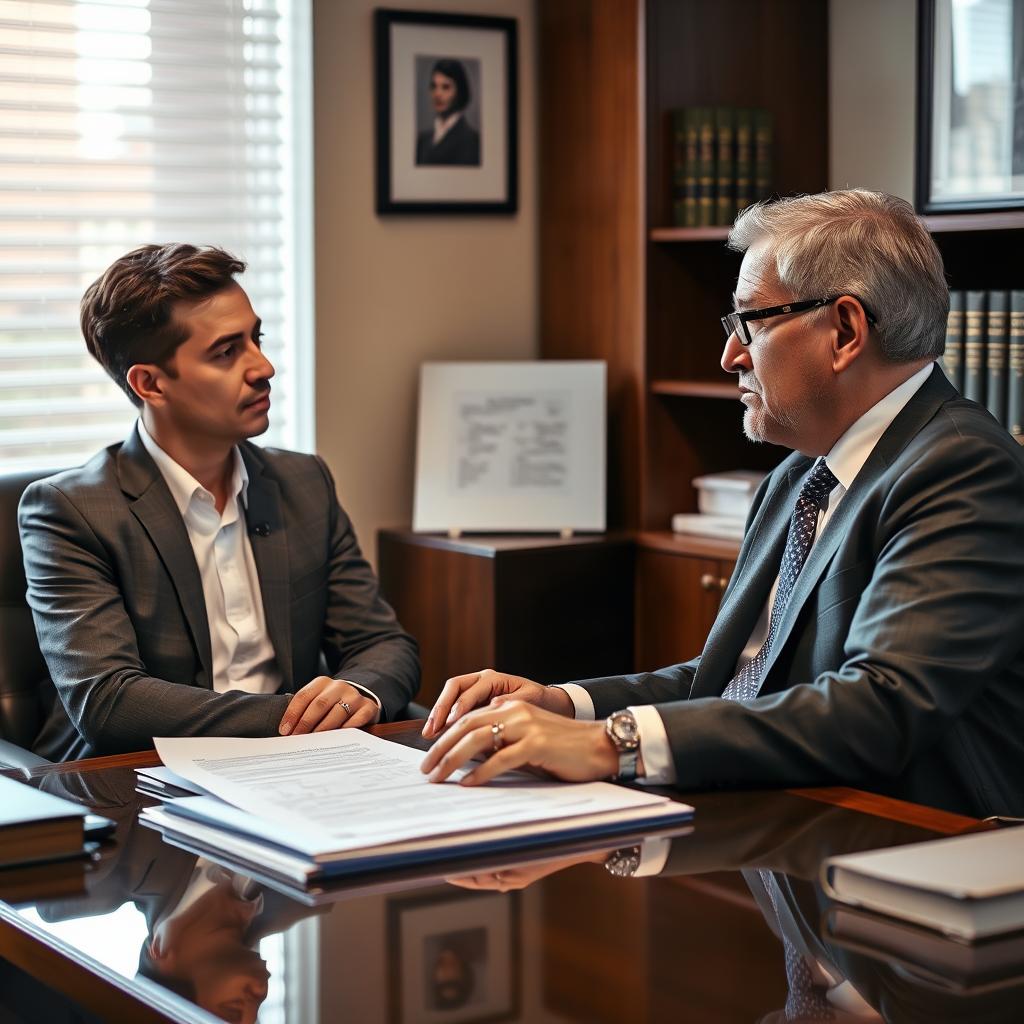
DWI Lawyer U Street Corridor, DC
The U Street Corridor is one of Washington, D.C.’s most vibrant neighborhoods—a stretch of bars, music venues, and restaurants that draws residents and visitors alike well into the night. With that activity comes a steady law enforcement presence. The Metropolitan Police Department regularly patrols the area, and DWI stops are not unusual along U Street, 14th Street, and the surrounding blocks. When a night out ends with a DWI arrest in the U Street Corridor, the legal process that follows is distinctly different from what a driver might face in a neighboring state. Criminal charges in the District of Columbia are prosecuted by the United States Attorney’s Office for the District of Columbia—not by a local district attorney. The case will be heard at DC Superior Court, located at 500 Indiana Avenue NW, and the release decision will be made by the Pretrial Services Agency, a federal agency that uses a risk-assessment system rather than cash bail. Understanding these differences is critical, and having defense counsel who practices regularly in D.C. Courts can make a meaningful difference in how the case unfolds. For a consultation about a DWI matter in the U Street Corridor, reach Law Offices Of SRIS, P.C. at (888) 437-7747. Law Offices Of SRIS, P.C. – Advocacy Without Borders.
What DWI Means in U Street Corridor, DC
The District of Columbia treats driving while intoxicated as a serious offense. Under D.C. Code Title 50, a person may be charged with driving under the influence (DUI) or driving while intoxicated (DWI). The two charges are related but distinct: DUI generally involves driving while “under the influence” of alcohol or drugs to the extent that the driver’s ability to operate a vehicle is impaired; DWI focuses on a measurable blood alcohol concentration at or above the legal limit. The legal limit for drivers in D.C. Is 0.08% blood alcohol content, though a driver can be charged with DUI even below that threshold if impairment is shown.
For someone stopped in the U Street Corridor, the arrest process typically begins with a traffic stop, field sobriety tests, and a breath or blood test. The Metropolitan Police Department handles the arrest and initial processing. What happens next—the charging decision, the release determination, and the court process—is shaped by the District’s unique status as a federal territory. The United States Attorney’s Office for the District of Columbia prosecutes the case in DC Superior Court. There is no local district attorney’s office, and the federal prosecutor’s office handles everything from petty misdemeanors to serious felonies under D.C. Code. Because the prosecution comes from a federal office, the approach to plea discussions, discovery, and trial preparation can differ from what a defense attorney encounters in a state system. Law Offices Of SRIS, P.C. maintains a location in Arlington, Virginia, approximately 4.5 miles from DC Superior Court, and Mr. Sris and his Of Counsel appear regularly in that courthouse. The firm’s proximity allows for efficient communication with the prosecutor, court appearances, and client meetings, which can be especially important when a case moves quickly after an arrest.
How Mr. Sris and His Of Counsel Handle DWI Cases
Mr. Sris, a former prosecutor, understands how the government builds a DWI case because he has seen that process from the other side. When his team takes on a DWI matter from the U Street Corridor, the first step is a thorough review of the traffic stop and the evidence collection process. That review includes examining whether the stop was supported by reasonable suspicion, whether field sobriety tests were administered in accordance with standardized protocols, and whether the breath or blood test equipment was properly calibrated and maintained. Any deviation from required procedures can form the basis of a motion to suppress evidence.
The firm’s approach is fact-intensive rather than formulaic. Mr. Sris and his Of Counsel examine the specific circumstances of the stop—location, time of night, the officer’s stated reasons for the stop—and compare those to the legal standards established by D.C. Courts. In many cases, they negotiate with the Assistant United States Attorney to seek a reduction of the charge or a disposition that minimizes the long-term impact on the client’s driving record, employment, and security clearance status. When trial is the appropriate course, the firm is prepared to challenge the prosecution’s evidence before a judge at DC Superior Court. The goal in every case is to work toward the most favorable resolution possible under the facts and the law. Results may vary.
About Mr. Sris and His Of Counsel Team
Mr. Sris, Owner and Founder of Law Offices Of SRIS, P.C., has practiced criminal defense since 1997. He is a former prosecutor and has extensive experience handling DWI and other criminal matters in the District of Columbia, Virginia, Maryland, New Jersey, and New York. Mr. Sris testified before the Virginia House Courts of Justice Committee in support of 2019 HB 635 (chief patron Del. David Bulova). His background gives him a practical understanding of how the government approaches DWI prosecutions and what strategies are most effective in challenging the state’s evidence.
Mr. Sris is supported by Of Counsel attorneys who bring substantial experience in criminal defense. The team’s collective knowledge extends to challenging breath-test devices, field sobriety testing procedures, and the handling of blood samples. Mr. Sris and his Of Counsel team bring extensive combined legal experience. Because the firm has no employees, every attorney who works on a matter does so as Of Counsel, which means clients benefit from the focused attention of experienced lawyers who are directly accountable for the case. For a consultation, reach Mr. Sris and his Of Counsel at (888) 437-7747.
Frequently Asked Questions
Who prosecutes DWI cases in the U Street Corridor area of DC?
Criminal cases in the District of Columbia are prosecuted by the United States Attorney’s Office for the District of Columbia, not by a local district attorney. D.C. Is a federal territory, and local crimes under the D.C. Code are handled by federal prosecutors. The Metropolitan Police Department makes the arrest, but the Assistant United States Attorney assigned to the case decides whether to pursue charges. Cases are heard at DC Superior Court, 500 Indiana Avenue NW. The federal prosecution structure means that the government has substantial resources, but it also means that defense counsel who practice regularly in D.C. Courts understand the specific procedures and personnel involved.
Does DC use cash bail for DWI arrests?
No. DC does not use a traditional cash bail system. Instead, the Pretrial Services Agency, a federal agency, interviews the arrested person and prepares a risk assessment that recommends release conditions. Most defendants charged with a first-offense DWI are released on personal recognizance or with minimal conditions. The agency considers factors such as community ties, criminal history, and the nature of the charge. This system means that an arrested person may be released without posting money, but the release decision can still have significant implications for the case, and legal guidance at the earliest stage can help protect a client’s interests.
What are the possible consequences of a DWI conviction in DC?
A DWI conviction in the District of Columbia can result in jail time, fines, license suspension, and required alcohol education or treatment. The exact penalty depends on the specific charge—DUI or DWI—and whether the person has prior offenses. First-offense DWI is handled in DC Superior Court, and the judge has discretion within the range set by the D.C. Code. Beyond the immediate court-ordered sanctions, a conviction can affect employment, security clearances, and professional licenses. The firm works with each client to understand the full range of potential consequences and to develop a defense strategy that seeks to minimize them.
Can a DWI charge in DC be reduced or dismissed?
It may be possible to have a DWI charge reduced or dismissed depending on the strength of the prosecution’s evidence and the circumstances of the stop. Defense counsel may challenge the legality of the traffic stop, the administration of field sobriety tests, or the reliability of the breath or blood test. If a motion to suppress is granted, the prosecution may be unable to proceed. In other cases, negotiations with the Assistant United States Attorney can lead to a plea to a lesser charge, such as reckless driving. Every case is different, and the outcome depends on the specific facts.
Do I need a lawyer for a DWI charge in the U Street Corridor?
A person is not legally required to have a lawyer, but facing a DWI charge in DC Superior Court without experienced defense counsel can put the person at a significant disadvantage. DWI cases involve scientific evidence, procedural rules, and a prosecutor who handles these matters every day. Mr. Sris and his Of Counsel have experience in D.C. Courts and can evaluate whether the stop was lawful, whether the evidence against you is solid, and what options are available. To discuss the details of your matter, contact Law Offices Of SRIS, P.C. at (888) 437-7747.
How can I find a DWI lawyer near U Street Corridor, DC?
Law Offices Of SRIS, P.C. serves clients in the U Street Corridor and throughout Washington, D.C. The firm’s Arlington, Virginia location is at that distance from DC Superior Court, making it convenient for court appearances and client meetings. Mr. Sris and his Of Counsel regularly appear in D.C. Courts and are familiar with the local prosecutors and judges. For a consultation, reach Mr. Sris and his Of Counsel at (888) 437-7747.
For authoritative information on DWI statutes and court operations, consult the D.C. Code Title 50 (Motor Vehicles) and the DC Superior Court website.
Attorney advertising. Prior results do not guarantee a similar outcome. Results may vary.
Case results depend on a variety of factors unique to each case.