
Harassment Lawyer Woodley Park, DC
If you are facing a harassment charge in Woodley Park, the situation can feel overwhelming. Harassment allegations in the District of Columbia are prosecuted seriously, and a conviction can bring jail time, a criminal record, and lasting personal and professional consequences. Woodley Park residents charged with harassment or stalking-related offenses appear at the D.C. Superior Court on Indiana Avenue, where cases are handled under the unique federal-local hybrid jurisdiction that defines the District’s criminal justice system. Mr. Sris and his Of Counsel team provide criminal defense representation to individuals in Woodley Park charged with harassment, stalking, and related misdemeanor or felony offenses. Founded in 1997, Law Offices Of SRIS, P.C. Practices across Virginia, Maryland, the District of Columbia, New Jersey, and New York. To discuss your situation and explore your defense options, reach us at (888) 437-7747. Law Offices Of SRIS, P.C. – Advocacy Without Borders.
What Harassment Means in Woodley Park
In the District of Columbia, harassment is generally charged under the D.C. Code as a form of stalking or as part of other criminal offenses. The D.C. Code defines stalking as a course of conduct directed at a specific person that would cause a reasonable person to fear for their safety or suffer substantial emotional distress. Harassment cases often arise from repeated unwanted contact—phone calls, text messages, emails, social media posts, or in-person conduct—that the complainant alleges caused fear, intimidation, or disruption. Because Washington, D.C. Is not a state, criminal prosecutions are handled by the United States Attorney’s Office for the District of Columbia (USAO-DC) rather than a local district attorney. Cases are heard at the D.C. Superior Court, 500 Indiana Avenue NW, near Judiciary Square Metro, about 4.5 miles from the Arlington’s Arlington location.
Woodley Park, a historic neighborhood near the National Zoo and Rock Creek Park, sits within the Second Police District of D.C. When MPD officers make an arrest for harassment or stalking in the area—often on Connecticut Avenue, Calvert Street, or near the Woodley Park Metro station—the case proceeds through the Superior Court’s Criminal Division. Unlike many states, the District of Columbia replaced cash bail with a risk-assessment system administered by the Pretrial Services Agency (PSA), a federal agency. Most defendants are released with conditions pending trial, but a criminal charge still carries the potential for incarceration upon conviction. Understanding the local procedures and the prosecution’s approach is essential to building a defense, and working with counsel who are experienced in D.C. Superior Court practice can help a person navigate each stage from arraignment to trial or resolution.
How Mr. Sris and His Of Counsel Handle Harassment Cases
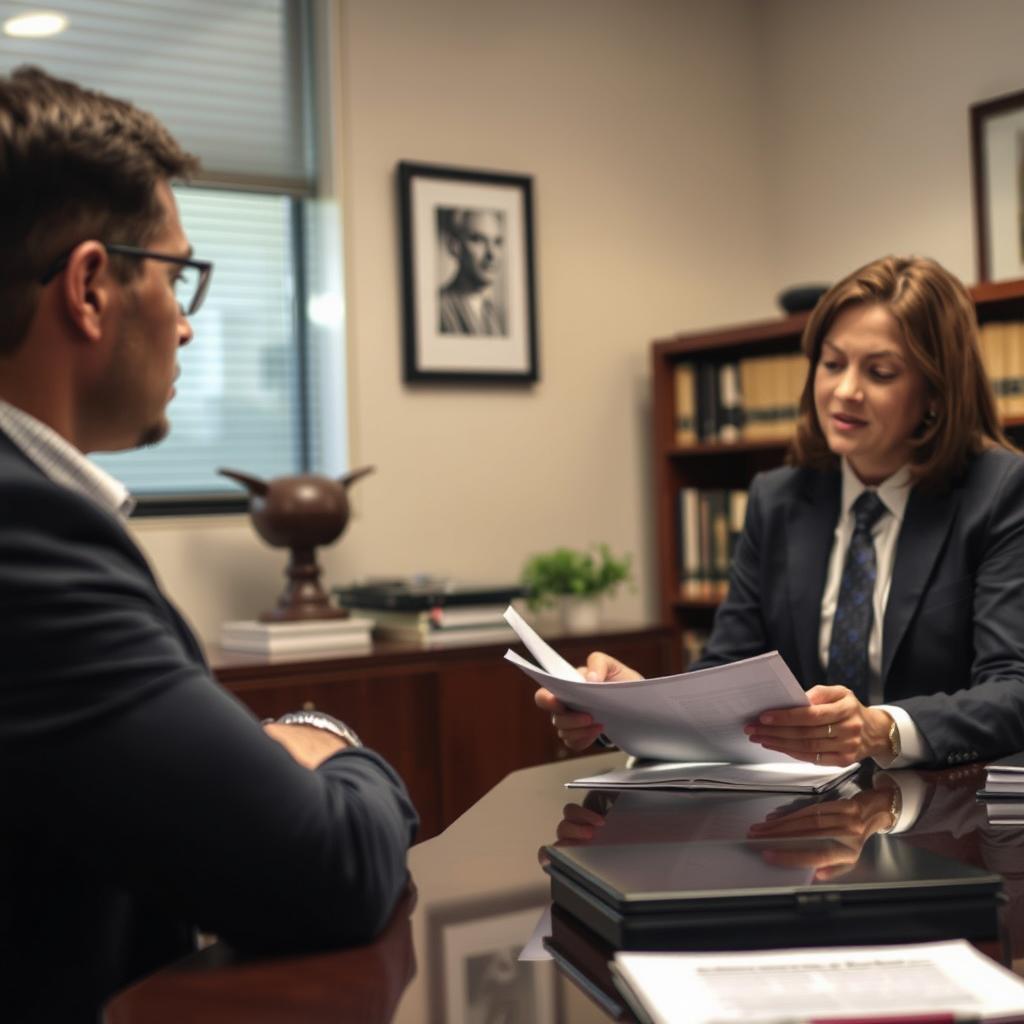
When a Woodley Park resident faces a harassment charge, the first step is a careful review of the alleged conduct and the circumstances surrounding the arrest. Mr. Sris and his Of Counsel examine every communication, police report, and witness statement to determine whether the evidence supports the elements the government must prove. Because harassment and stalking charges often depend on the complainant’s subjective reaction and the alleged course of conduct, there may be strong defenses: mutual contact, lack of intent to cause fear, or insufficient evidence of a pattern required by the statute. The defense team also looks at procedural issues—whether law enforcement properly gathered evidence, respected constitutional rights, and whether the charging document meets the legal standard.
Once the facts are assessed, Mr. Sris and his Of Counsel develop a strategy that fits the client’s goals. In some cases, the goal is to negotiate a reduction or dismissal with the United States Attorney’s Office. In others, the defense may go to trial, challenging the credibility of the complaining witness or the interpretation of digital communications. The firm’s extensive collective experience includes handling cases where scientific and technical evidence—cell tower data, GPS records, social media logs—is central to the alleged harassment. Mr. Sris and his Of Counsel have represented clients through all stages of criminal proceedings at D.C. Superior Court, including bench and jury trials when necessary. Throughout the process, they explain each option clearly so the client can make informed decisions.
About Mr. Sris and His Of Counsel Team
Mr. Sris, Owner and Founder of Law Offices Of SRIS, P.C., is a former prosecutor who has practiced criminal defense since 1997. He is admitted in the District of Columbia, Virginia, Maryland, New Jersey, and New York, giving him a multi-state perspective on criminal defense. Mr. Sris testified before the Virginia House Courts of Justice Committee in support of 2019 HB 635 (chief patron Del. David Bulova), reflecting a deep involvement in the legal system beyond the courtroom. His Of Counsel team includes attorneys with decades of combined trial experience, including substantial practice in D.C. Superior Court. Together, Mr. Sris and his Of Counsel bring extensive combined legal experience. Results may vary.
The firm’s Arlington location serves clients throughout the District of Columbia, including Woodley Park. By appointment, we meet with clients at 1655 Fort Myer Dr, Suite 700, Room 719, Arlington, VA 22209. The Arlington location is easily accessible from Woodley Park via the Key Bridge or the Metro, and our toll-free number (888) 437-7747 is answered responsive. Mr. Sris and his Of Counsel emphasize personal involvement in each matter, working closely with clients to craft a defense tailored to the specific facts of their case.
Frequently Asked Questions
Who prosecutes criminal cases in Washington, D.C.?
Criminal cases in D.C. Are prosecuted by the United States Attorney’s Office for the District of Columbia (USAO-DC), not a local district attorney. Because Washington, D.C. Is a federal territory, local crimes under the D.C. Code are handled by federal prosecutors. All criminal matters, including harassment and stalking charges, are heard at the D.C. Superior Court, 500 Indiana Avenue NW. The court uses the Pretrial Services Agency for release decisions rather than traditional cash bail. Speaking with an attorney experienced in this unique system is important for anyone facing charges.
Does D.C. Have cash bail?
No, the District of Columbia does not use a cash bail system for most criminal offenses. Instead, the Pretrial Services Agency (a federal agency) conducts a risk assessment and recommends conditions of release. Many defendants are released without posting money but may be subject to supervision or other restrictions. If you are arrested in Woodley Park, you will typically see a judge within 24 hours for a presentment where release conditions are set. An experienced attorney can advocate for the least restrictive conditions.
Can I get a D.C. Harassment or stalking charge sealed from my record?
Yes, the District of Columbia permits record sealing for certain acquittals, dismissals, and qualifying convictions after waiting periods under D.C. Code § 16-803. Harassment and stalking offenses may be eligible for sealing, especially if the charge was dismissed or you were acquitted. Certain marijuana offenses have expanded sealing eligibility, but eligibility for harassment charges depends on the specific disposition. Filing a motion to seal requires a petition to D.C. Superior Court. Mr. Sris and his Of Counsel can help determine if your case qualifies and guide you through the process.
How long does a harassment case take in D.C.?
The timeline for a harassment case in D.C. Varies based on whether the charge is a misdemeanor or felony, the complexity of the evidence, and the court’s calendar. Misdemeanor cases often proceed to trial within a few months, while felony stalking cases may take six months to a year or more. The D.C. Superior Court operates under its own scheduling orders, and defense motions or competency evaluations can extend the process. An attorney who practices regularly in D.C. Superior Court can give you a realistic estimate based on the court’s current pace and the specifics of your case.
What are the possible penalties for harassment in the District of Columbia?
Penalties for harassment-related offenses in D.C. Can include jail time, fines, probation, and a permanent criminal record. Stalking, as charged under D.C. Code Title 22, is generally a felony when it involves threats or repeated conduct that causes substantial emotional distress, with a potential for several years of incarceration. Misdemeanor harassment may carry up to 180 days in jail and a fine. A judge also may impose a stay-away order or other protective conditions. Because Washington, D.C. Sentencing judges have considerable discretion, understanding the applicable sentencing range and mitigation opportunities is critical.
Do I need a lawyer for a harassment charge in Woodley Park?
You are not legally required to hire a lawyer, but having experienced defense counsel is strongly advised because the consequences of a conviction can be significant. A harassment or stalking conviction can affect your employment, housing, security clearance, and immigration status. An attorney can challenge the government’s evidence, cross-examine the complainant, and negotiate for a dismissal or reduction. The criminal justice process in D.C. Is complex, and prosecutions by the United States Attorney’s Office are serious. For a consultation, reach Mr. Sris and his Of Counsel at (888) 437-7747.
Related pages:
Washington, D.C. Criminal Defense |
Georgetown Criminal Lawyer |
Spring Valley Criminal Lawyer |
Cleveland Park Criminal Lawyer |
Chevy Chase Criminal Defense
Primary sources:
D.C. Code Title 22 — Criminal Offenses |
D.C. Superior Court |
U.S. Attorney’s Office for D.C.
Attorney advertising. Prior results do not guarantee a similar outcome. Case results depend on a variety of factors unique to each case. Results may vary.