
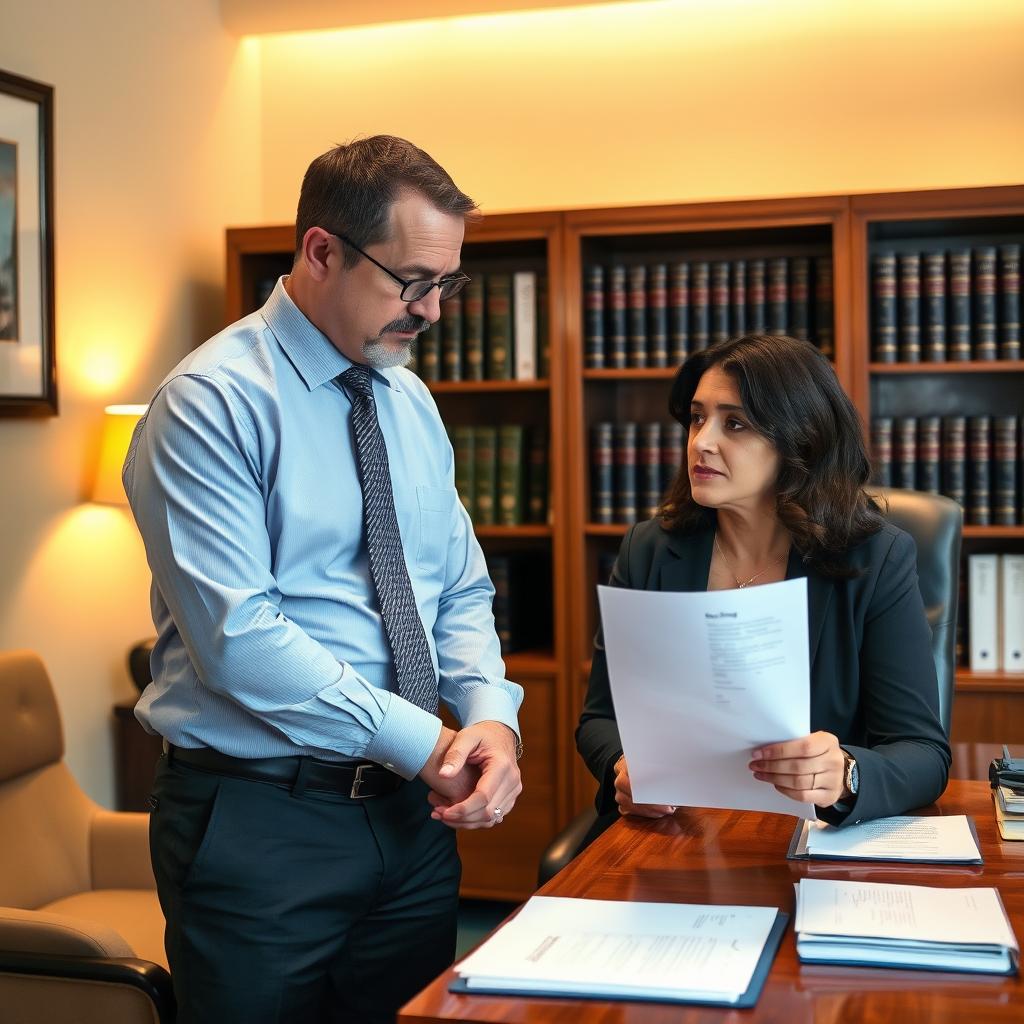
Third Degree Assault Lawyer Capitol Hill, DC
An arrest for what is commonly called third‑degree assault can upend your life in Capitol Hill before you have had a chance to understand the charge. The District of Columbia does not label offenses by degree in the way that many states do, so this “third‑degree” terminology usually describes the least serious assault level — simple assault. In Washington, D.C., that case is prosecuted not by a local district attorney but by the United States Attorney’s Office for the District of Columbia, and it is heard at the D.C. Superior Court Criminal Division at 500 Indiana Avenue NW, just a few blocks from the U.S. Capitol. The federal prosecution framework and the absence of cash bail through the Pretrial Services Agency create a legal landscape that is unique among American cities. A conviction under D.C. Code § 22‑404 can bring up to 180 days in jail and a $1,000 fine, along with a permanent criminal record that can affect employment, housing, and professional licensing. When you are facing this situation in the Capitol Hill, H Street Corridor, or Eastern Market area, you need counsel who understands District criminal procedure and can move quickly to protect your rights. To discuss your case and learn how we approach assault defense in the District, reach Law Offices Of SRIS, P.C. at (888) 437‑7747. Law Offices Of SRIS, P.C. – Advocacy Without Borders.
What Third Degree Assault Means in Capitol Hill, D.C.
Because the District of Columbia is a federal territory, local criminal offenses are prosecuted under the D.C. Code by the United States Attorney’s Office — not by a state prosecutor. What people elsewhere call “third‑degree assault” generally maps to simple assault under D.C. Code § 22‑404. That statute makes it a crime to (1) intentionally, knowingly, or recklessly cause bodily injury to another person, or (2) threaten another in a menacing manner that creates a reasonable fear of imminent bodily harm. Unlike the felony‑level aggravated assault statutes that involve serious injury or a dangerous weapon, simple assault is charged as a misdemeanor with a maximum penalty of 180 days in jail and a $1,000 fine.
Residents of Capitol Hill and its surrounding neighborhoods — Eastern Market, Lincoln Park, Barney Circle, Stanton Park — encounter this charge in a variety of circumstances: an altercation outside a restaurant on Barracks Row, a dispute at a community event, or an argument that escalates in a way that draws the attention of Metropolitan Police Department officers. Because the MPD patrols the entire District, an incident in any part of the Capitol Hill community can lead to an arrest and a case filed at the D.C. Superior Court. One procedural difference that surprises many people: D.C. Does not use traditional cash bail. The Pretrial Services Agency, a federal agency, conducts a risk assessment after arrest and recommends release conditions to the court. Most defendants are released without posting money, but conditions such as stay‑away orders or check‑ins can still limit a person’s freedom while the case is pending.
The courtroom at 500 Indiana Avenue NW sits near the Judiciary Square Metro station, making it accessible from all parts of Capitol Hill. Cases move on a schedule that includes a prompt initial appearance followed by status hearings and, if no resolution is reached, a trial date. An experienced defense attorney who regularly handles D.C. Superior Court matters can help you navigate each step and work toward a favorable outcome. Because the prosecutor is a federal assistant U.S. Attorney, the negotiation dynamic is different from that in a state‑level jurisdiction, and having counsel who understands that environment is critical.
How Mr. Sris and His Of Counsel Handle Assault Cases
The approach that Mr. Sris and his Of Counsel bring to a Capitol Hill assault charge is built on decades of combined criminal defense experience and a thorough understanding of the District’s court system. Every case begins with a detailed review of the government’s evidence. The police report, any available video footage, 911 recordings, and witness statements are scrutinized for inconsistencies, gaps, and potential constitutional violations. In simple‑assault cases, self‑defense, defense of others, or a lack of intent often form the backbone of a strong defense, and our team works to uncover the facts that support those positions.
Because Mr. Sris is a former prosecutor, he understands how the United States Attorney’s Office evaluates a case and what factors influence a charging decision or a plea offer. That insight shapes the defense strategy from the first court appearance. The Of Counsel attorneys who handle D.C. Matters are skilled litigators, experienced in pretrial motion practice, evidentiary arguments, and trial advocacy. When a case cannot be resolved through negotiation, the team is prepared to challenge the prosecution’s case at trial. Throughout the process, communication with the client is a priority, and every effort is made to keep the person facing the charge informed and prepared for each court date. Results may vary.
About Mr. Sris and His Of Counsel Team
Mr. Sris, Owner and Founder of Law Offices Of SRIS, P.C., founded the firm in 1997. He is admitted to practice in Virginia, Maryland, the District of Columbia, New Jersey, and New York. His background as a former prosecutor provides valuable perspective on how the opposing side builds its case, and he has handled criminal matters in trial courts across multiple jurisdictions. Mr. Sris testified before the Virginia House Courts of Justice Committee in support of 2019 HB 635 (chief patron Del. David Bulova). His practice approach keeps his personal caseload small so that he can remain closely involved in the matters the firm accepts.
The Of Counsel team includes attorneys with significant experience in the District of Columbia courts and beyond. Together, Mr. Sris and his Of Counsel bring over 120 years of combined legal experience. Results may vary. Across all practice areas, the firm has documented 4,739+ case results since 1997, with an overall favorable outcome rate of 93%.
Frequently Asked Questions
What is third‑degree assault under D.C. Law?
In the District of Columbia, what is commonly called “third‑degree assault” corresponds to simple assault under D.C. Code § 22‑404. The statute prohibits intentionally, knowingly, or recklessly causing bodily injury to another person, or engaging in menacing behavior that places another in reasonable fear of immediate bodily harm. The charge is a misdemeanor with potential penalties including up to 180 days of incarceration and a $1,000 fine. The case is prosecuted by the United States Attorney’s Office for the District of Columbia in the Criminal Division of D.C. Superior Court. Because D.C. Does not use a cash bail system, the Pretrial Services Agency conducts a risk assessment to recommend pretrial release conditions.
Who prosecutes assault cases in Washington, D.C.?
Criminal cases in DC, including assault charges, are prosecuted by the United States Attorney’s Office for DC (USAO‑DC), not a local district attorney. The District of Columbia is a federal territory, so even local crimes under the D.C. Code are handled by federal prosecutors. All cases are heard at D.C. Superior Court, located at 500 Indiana Avenue NW, Washington, DC 20001. The unique federal‑local hybrid structure means that assistant U.S. Attorneys, rather than state‑level prosecutors, make charging decisions and negotiate plea offers. Having a defense attorney who is familiar with that prosecutorial environment is an important part of putting forward a strong case.
Does D.C. Use cash bail for assault charges?
No. The District of Columbia does not use traditional cash bail. After an arrest, the Pretrial Services Agency, a federal agency, interviews the defendant and conducts a risk assessment. The agency then makes a release recommendation to the court. Most people charged with a misdemeanor offense such as simple assault are released on personal recognizance or under limited conditions while their case is pending. Those conditions can include stay‑away orders, regular check‑ins, or travel restrictions. Failing to comply with release conditions can result in the court revoking release and ordering detention until trial.
What are the possible penalties for an assault conviction in D.C.?
A conviction for simple assault under D.C. Code § 22‑404 carries up to 180 days in jail and a fine of up to $1,000. In addition to the criminal penalties imposed by the court, a conviction creates a criminal record that can affect employment opportunities, professional licenses, housing applications, and immigration status. Even if jail time is not imposed, the collateral consequences can be long‑lasting. For more serious assault charges involving significant bodily injury or a dangerous weapon, the potential penalties increase substantially, including felony exposure and years of incarceration.
Can a D.C. Assault charge be dismissed?
Yes. D.C. Assault charges can be dismissed when the government’s evidence is weak or constitutional violations are present. A defense attorney can file motions to suppress evidence obtained in violation of the Fourth Amendment, challenge the credibility of witnesses, or present exculpatory evidence. In some cases, pretrial diversion programs allow a defendant to complete community service or other conditions in exchange for dismissal of the charge. Every case is different, and the likelihood of a dismissal depends on the specific facts and the strength of the prosecution’s evidence. An experienced lawyer can evaluate the case and identify the strongest path toward a favorable resolution.
How can a lawyer help with an assault case in Capitol Hill?
An attorney can evaluate the evidence, develop a defense strategy, negotiate with the United States Attorney’s Office, and represent you at all court appearances. From the initial appearance through trial, having counsel who understands D.C. Superior Court procedure is essential to protecting your rights. A lawyer can argue for release on the most favorable conditions, challenge the admissibility of evidence, cross‑examine witnesses, and present mitigating factors that may persuade the prosecutor to reduce or drop the charge. Because the District’s federal‑prosecution model is different from that of the surrounding states, local experience matters. To discuss your situation, call (888) 437‑7747.
D.C. Primary Sources
Review the official legal sources governing criminal proceedings in the District of Columbia:
D.C. Code § 22‑404 — the codified laws of the District, including Title 22 (Criminal Offenses).
D.C. Superior Court — information about the Criminal Division and case processing.
U.S. Attorney’s Office for D.C. — the office responsible for prosecuting local and federal crimes in the District.
Our principal office is located in Arlington, Virginia, in close proximity to Washington, D.C., including the Capitol Hill neighborhood.
Attorney advertising. Prior results do not guarantee a similar outcome. Results may vary. Case results depend on a variety of factors unique to each case.