
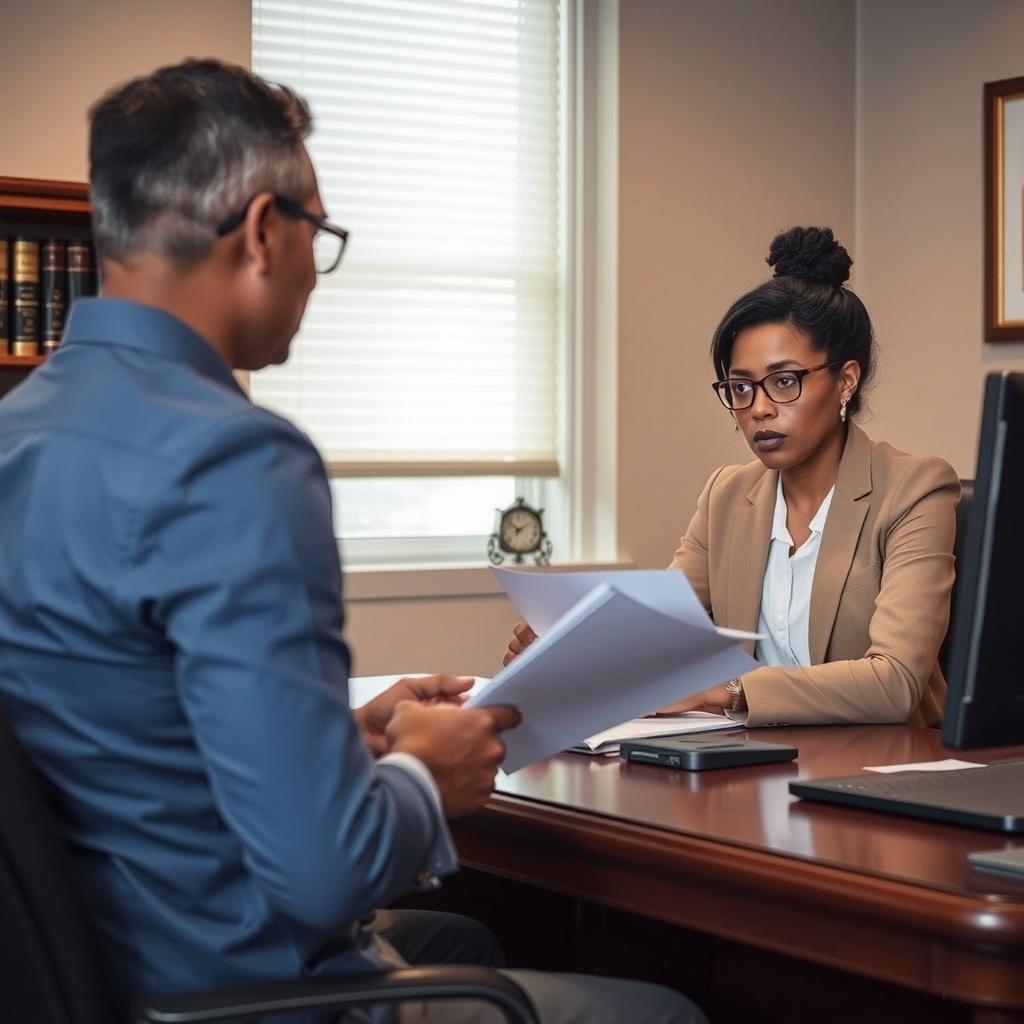
Unauthorized Use of Computer Lawyer Anacostia, DC
An allegation of unauthorized use of a computer can disrupt your life, your career, and your standing in the community. In Anacostia, as in every neighborhood of Washington, D.C., computer‑related offenses are taken seriously by both law enforcement and prosecutors. Because Washington, D.C., is a federal territory with a singular jurisdictional structure, these charges are prosecuted not by a local district attorney but by the United States Attorney’s Office for the District of Columbia (USAO‑DC). Cases are heard at the D.C. Superior Court, located at 500 Indiana Avenue NW, a short distance from Anacostia by way of I‑295 and Pennsylvania Avenue. Anyone facing an unauthorized‑use‑of‑computer charge in Anacostia needs counsel who understands the D.C. Code, the local court, and the federal‑prosecution dynamic that defines criminal practice in the District.
Law Offices Of SRIS, P.C. – Advocacy Without Borders.
Mr. Sris and his Of Counsel team have handled criminal matters in Washington, D.C., for many years. The firm — Law Offices Of SRIS, P.C., founded in 1997 — serves clients from the Arlington location at 1655 Fort Myer Dr, Suite 700, Room 719, Arlington, Virginia, just across the Potomac and easily reachable from Anacostia via I‑395. To request a consultation, call (888) 437‑7747.
What Unauthorized Use of Computer Means in Anacostia
Under Washington, D.C., law, unauthorized use of a computer is an offense that falls within D.C. Code Title 22, the chapter that defines criminal offenses and penalties for the District. While D.C. Does not have a stand‑alone “computer crime” statute labeled exactly that phrase, the code criminalizes a range of conduct that falls under the umbrella of unauthorized computer access, computer fraud, and related digital trespass. Prosecutors frequently charge this type of conduct under general theft‑, fraud‑, or identity‑theft provisions, depending on the facts of the case and the loss alleged.
In Anacostia, as in every neighborhood served by the Metropolitan Police Department (MPD), arrests for computer‑related offenses may stem from investigations that involve digital forensics, search warrants for electronic devices, or statements made to law enforcement. Because D.C. Is not a state, the prosecuting authority is the USAO‑DC, a component of the U.S. Department of Justice. That means the same office that handles federal crimes in the U.S. District Court for the District of Columbia also prosecutes local D.C. Code offenses in D.C. Superior Court. For a person living in Anacostia, this structure means that a computer‑crime charge can carry the weight of a federal‑grade prosecution even though the case stays in Superior Court under local law.
How Mr. Sris and His Of Counsel Handle Unauthorized Use of Computer Cases
Every unauthorized‑use‑of‑computer matter begins with a careful examination of the government’s evidence and the specific statutory section under which the person is charged. Mr. Sris and his Of Counsel start by identifying the legal elements the prosecution must prove, typically involving allegations of accessing a computer, computer system, or computer network without authorization, or exceeding authorized access. Because these charges often involve digital records, IP logs, user credentials, and forensic artifacts, the defense frequently turns on the reliability of that electronic evidence and the procedures that produced it.
D.C. Proceeding practice is distinct from that in neighboring Virginia and Maryland. The D.C. Superior Court does not use cash bail; instead, the Pretrial Services Agency (PSA), a federal agency, assesses risk and recommends pretrial release conditions. Arraignments are set quickly — often within 24 hours of arrest — so early attorney involvement is critical. Mr. Sris and his Of Counsel work to secure a release recommendation that keeps the accused out of custody while the case proceeds. Throughout the prosecution, the team evaluates whether motions to suppress evidence are warranted, whether the government’s disclosure obligations have been met, and whether plea discussions or a trial strategy best serve the client’s interests. Every step is handled with an understanding of the USAO‑DC’s charging policies and the D.C. Superior Court’s criminal‑division expectations.
About Mr. Sris and His Of Counsel Team
Mr. Sris, Owner and Founder of Law Offices Of SRIS, P.C., brings a background that includes service as a former prosecutor. He knows how the prosecuting side builds cases and uses that insight when defending people accused of criminal conduct in Washington, D.C., and across the firm’s five‑jurisdiction reach. Mr. Sris is admitted to practice in Virginia, Maryland, the District of Columbia, New Jersey, and New York. He testified before the Virginia House Courts of Justice Committee in support of 2019 HB 635 (chief patron Del. David Bulova).
Alongside Mr. Sris, the firm’s Of Counsel team contributes decades of additional experience. Collectively, Mr. Sris and his Of Counsel bring over 120 years of combined legal experience and have achieved over 4,739 documented firm-wide results. Results may vary. Every attorney at the firm has over a decade of practice, and the team works collaboratively on criminal matters to ensure that each case receives thorough attention. State and federal criminal defense is a core part of the firm’s practice, and the team regularly appears in D.C. Superior Court on behalf of people from Anacostia and the entire District.
Frequently Asked Questions
What constitutes unauthorized use of a computer in Washington, D.C.?
In Washington, D.C., unauthorized use of a computer generally means accessing or using a computer, computer system, or computer network without the owner’s permission or beyond the scope of permission given. The offense is prosecuted under various provisions of D.C. Code Title 22, which covers theft, fraud, identity theft, and related economic‑ and privacy‑based crimes. The specific charge depends on the nature of the access and the harm alleged. A defense attorney can explain the exact statutory theory after reviewing the charging document and evidence.
Who prosecutes computer crime charges in the District?
Computer‑crime charges in Washington, D.C., are prosecuted by the United States Attorney’s Office for the District of Columbia (USAO‑DC), not by a local district attorney. Because D.C. Is a federal territory, the prosecution of D.C. Code offenses in D.C. Superior Court rests with a federal office that also handles federal felonies in the U.S. District Court for D.C. The Metropolitan Police Department (MPD) conducts arrests and initial investigations, with assistance from federal agencies in some digital‑forensic cases.
What are the potential consequences of an unauthorized‑use‑of‑computer conviction?
The consequences of a conviction for unauthorized use of a computer in D.C. Depend on the specific offense charged, the value of any loss, and the defendant’s prior record. Potential outcomes can include incarceration, a term of probation, fines, restitution to any victim, and a permanent criminal record. Some computer‑related offenses are classified as misdemeanors, while others — particularly those involving substantial financial harm or identity‑theft elements — can be felonies. A conviction may also carry collateral consequences, such as immigration or professional‑licensing repercussions. Each case requires an individualized analysis.
What should I do if I am charged with unauthorized use of a computer in Anacostia?
If you are charged with unauthorized use of a computer in Anacostia, you should seek legal advice promptly and avoid discussing the allegations with anyone other than your attorney. Requests to speak with law enforcement should be directed to your lawyer. Preserve any electronic devices, messages, and account records that may be relevant, but do not alter or delete them. Early legal involvement can affect the pretrial release decision made by the D.C. Pretrial Services Agency and can shape the trajectory of the case from the start.
Can a D.C. Computer‑crime charge be sealed or expunged?
Yes, certain D.C. Computer‑crime charges and convictions can be sealed under D.C. Code § 16‑803 if the case results in a dismissal, an acquittal, or, after a waiting period, a qualifying conviction. The eligibility rules and waiting periods vary depending on the disposition. For example, if you were acquitted or the charge was dismissed, you may be eligible to petition for sealing relatively quickly. A lawyer can evaluate your eligibility and handle the Superior Court filing.
How does the pretrial process work for a D.C. Criminal case?
After an arrest in D.C., the person is presented before a judge — usually within 24 hours — for an arraignment at D.C. Superior Court, 500 Indiana Avenue NW. The Pretrial Services Agency (PSA) prepares a risk‑assessment report and recommends release conditions; D.C. Does not use cash bail. The judge then sets conditions. Next come status hearings, discovery, and motion practice. Misdemeanor cases are typically resolved more quickly; felony cases involve grand‑jury indictment and may take longer. Throughout the process, an attorney can challenge evidence, negotiate with the prosecutor, and protect the accused’s rights.
Internal‑link nav strip:
Washington, D.C., Criminal Lawyer ·
Georgetown Criminal Lawyer ·
Capitol Hill Criminal Lawyer ·
Dupont Circle Criminal Lawyer
Outbound primary‑source authority:
DC Superior Court ·
D.C. Code ·
USAO‑DC
Attorney advertising. Prior results do not guarantee a similar outcome.
Results may vary.
Case results depend on a variety of factors unique to each case.