
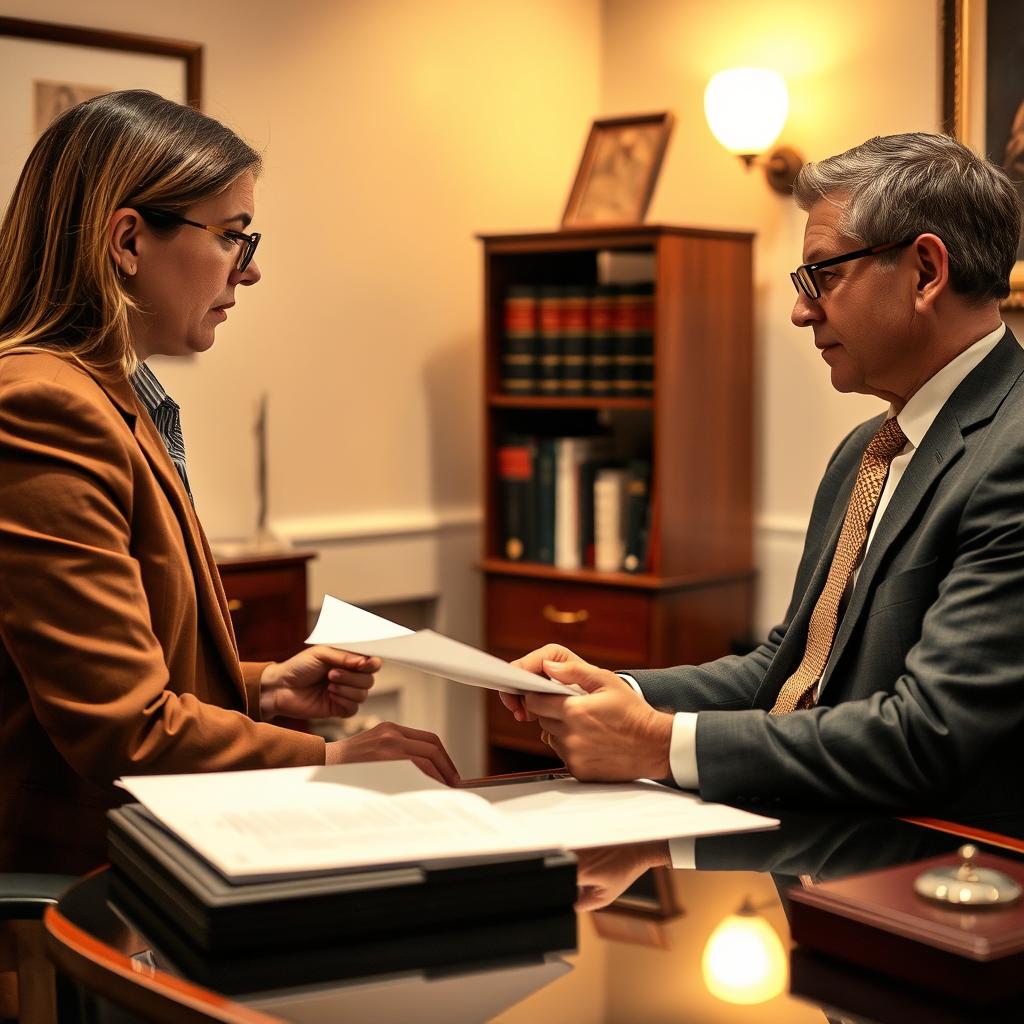
Petit Larceny Lawyer Dupont Circle, DC
You are stopped by store security at a boutique near Connecticut Avenue in Dupont Circle. A manager insists you took an item without paying. You are handed a civil demand letter, and the police are called. A few minutes of confusion have turned into a criminal allegation. In Virginia this offense would be labeled petit larceny, but in Washington, D.C. It is charged under D.C. Code § 22-3211 as second‑degree theft—a misdemeanor that can carry up to 180 days in jail and a permanent criminal record. When a misunderstanding in a Dupont Circle shop threatens your future, Law Offices Of SRIS, P.C. Concentrates its practice on defending individuals against theft charges in the District of Columbia. Reach our firm at (888) 437-7747 to request a consultation. Law Offices Of SRIS, P.C. – Advocacy Without Borders.
Understanding Petit Larceny and Theft Charges in Dupont Circle, DC
The term “petit larceny” is a Virginia legal classification, but the underlying conduct—taking property valued below a certain dollar amount without consent—is prosecuted in the District of Columbia as second‑degree theft. Washington, D.C. Divides theft offenses by value under D.C. Code § 22-3211. Taking property or services worth less than $1,000 constitutes second‑degree theft, punishable by up to 180 days of incarceration and a fine of up to $1,000. When the value is $1,000 or more, the charge becomes first‑degree theft, a felony carrying up to 10 years in prison. Many Dupont Circle theft cases arise out of retail stores along Connecticut Avenue, Massachusetts Avenue, and 14th Street, where security personnel and loss‑prevention officers frequently cooperate with the Metropolitan Police Department.
All criminal cases in the District—whether they originate in Dupont Circle, Georgetown, Capitol Hill, or anywhere else in the city—are heard at the DC Superior Court, Criminal Division, located at 500 Indiana Avenue NW. The court is a unified trial court with jurisdiction over both misdemeanor and felony offenses. Unlike most jurisdictions, the District of Columbia does not use a traditional cash‑bail system; instead, the Pretrial Services Agency, a federal agency, conducts a risk assessment and recommends release conditions to the court. Understanding this unique federal‑local hybrid system, where the United States Attorney’s Office for the District of Columbia prosecutes offenses under the D.C. Code, is critical to building a well‑prepared defense.
How Mr. Sris and His Of Counsel Defend Theft Cases in Washington, D.C.
When a client is accused of shoplifting or any other form of misdemeanor theft in Dupont Circle, the defense begins immediately. Mr. Sris, a former prosecutor, and his Of Counsel team begin by examining the evidence—surveillance footage, witness statements, and the police report—for procedural and factual weaknesses. The firm’s experience includes challenging the sufficiency of the evidence, questioning the validity of the stop and detention, and evaluating whether the value of the allegedly stolen property has been accurately determined. A second‑degree theft charge can sometimes be resolved through a deferred‑prosecution agreement or a diversion program, which may lead to dismissal and eventual record sealing under D.C. Code § 16-803.
Every theft case is handled with attention to the specific court and prosecutor assigned. The firm appears regularly before the judges of the DC Superior Court Criminal Division and has extensive experience communicating with the U.S. Attorney’s Office. Because Mr. Sris maintains a small personal caseload, each matter receives deep involvement from the lead attorney, supported by Of Counsel who have decades of combined criminal‑defense experience. The team works to resolve cases efficiently while protecting the client’s right to a trial when that serves the client’s best interests. Throughout the process, the firm’s attorneys keep clients informed of the status of the case and the available options, from the initial arraignment through any post‑disposition relief.
About Mr. Sris and His Of Counsel Team
Mr. Sris, Owner and Founder of Law Offices Of SRIS, P.C., founded the firm in 1997. He is a former prosecutor and has been admitted to practice in Virginia, Maryland, the District of Columbia, New Jersey, and New York. His background in accounting and information systems provides an additional analytical dimension to defense strategies in cases that involve financial or technology‑related evidence. Mr. Sris testified before the Virginia House Courts of Justice Committee in support of 2019 HB 635 (chief patron Del. David Bulova). Every attorney working with the firm serves as Of Counsel, bringing over a decade of practice experience per attorney. Together, Mr. Sris and his Of Counsel bring over 120 years of combined legal experience with 4,739+ documented firm-wide results to criminal defense matters across all five jurisdictions. Results may vary.
Frequently Asked Questions
Is petit larceny the same as theft in Washington, D.C.?
Petit larceny is a Virginia term; in Washington, D.C. The equivalent offense is second‑degree theft under D.C. Code § 22-3211. Second‑degree theft covers property valued below $1,000 and is a misdemeanor carrying up to 180 days in jail and a fine of up to $1,000. The conduct is the same—taking property without consent—but the nomenclature and procedural framework differ. Because D.C. Prosecutes offenses under the local D.C. Code through the U.S. Attorney’s Office, the process is a hybrid of local and federal practice.
Who prosecutes theft cases in Washington, D.C.?
Criminal cases in D.C., including theft charges, are prosecuted by the United States Attorney’s Office for the District of Columbia, not by a district attorney’s office. The U.S. Attorney’s Office handles both local D.C. Code offenses and federal offenses in the DC Superior Court and the U.S. District Court for the District of Columbia. This unique prosecutorial structure means that defense counsel must be familiar with the policies and charging practices of the U.S. Attorney’s Office, which can differ from state‑court prosecutors.
Does D.C. Have cash bail for a theft charge?
No, the District of Columbia does not use a cash‑bail system for most offenses, including theft. Instead, the Pretrial Services Agency (PSA), a federal agency, evaluates a defendant’s risk and recommends release conditions to the court. Most individuals charged with misdemeanor theft are released without posting money, subject to conditions such as check‑ins with PSA. This system makes it particularly important to have an attorney present at the initial appearance to advocate for the least restrictive release conditions.
Can I get a D.C. Theft charge sealed or expunged?
Yes, the District of Columbia permits record sealing for qualifying theft cases under D.C. Code § 16-803. An acquittal or dismissal can be sealed immediately, while a conviction for certain misdemeanors may become eligible after a waiting period. Marijuana‑related offenses have expanded eligibility. A motion to seal is filed in the DC Superior Court, and the process can be complex; an experienced criminal defense attorney can evaluate whether your specific case qualifies and guide the petition through the procedural requirements.
Do I need a lawyer for a misdemeanor theft charge in DC?
While you are not required to hire a lawyer for a misdemeanor theft charge, having experienced defense counsel can significantly affect the outcome. Even a second‑degree theft conviction can create a criminal record that affects employment, housing, and professional licensing. An attorney can evaluate whether diversion or a deferred‑sentencing agreement is available, challenge the prosecution’s evidence, and negotiate for a reduction or dismissal. Representing yourself without knowledge of the local court procedures and prosecutorial practices carries substantial risk.
What should I do if I am accused of shoplifting in Dupont Circle?
If store security detains you and police are called, remain calm, do not argue with the officers, and ask to speak with an attorney. Do not sign any documents from the store, and do not make statements about what happened. Contact a criminal defense attorney as soon as possible—ideally before your first court appearance. Prompt action can help preserve evidence, such as surveillance footage, that may be critical to your defense. The firm’s attorneys are available at (888) 437-7747 to discuss your situation and advise you on the immediate next steps.
Related pages: Washington, D.C. Criminal Defense | Georgetown Criminal Lawyer | Spring Valley Criminal Lawyer | Cleveland Park Criminal Lawyer | Chevy Chase Criminal Lawyer
Primary legal sources: D.C. Code Title 22 — Criminal Offenses and Penalties | DC Superior Court | U.S. Attorney’s Office for the District of Columbia
Attorney advertising. Prior results do not guarantee a similar outcome. Results may vary.
Case results depend on a variety of factors unique to each case.
Our Arlington, VA office is a meeting location only and does not constitute a physical office in the District of Columbia.